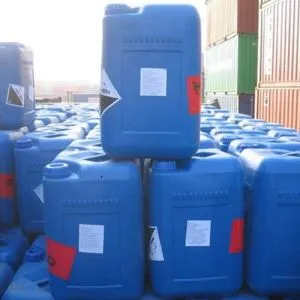
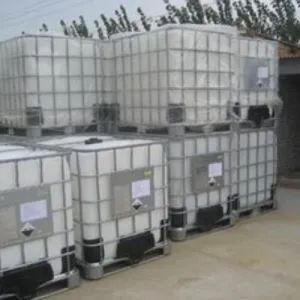
Formic Acid 85 Popular Name: Methanoic acid Formula: HCOOH CAS NO.: 64-18-6 UN No.: 1779 Dangerous Goods Class: 8 Classification: Carboxylic acid
What Is Formic Acid


Formic acid, with the chemical formula HCOOH, is the simplest carboxylic acid. It gets its name from its ability to form ants, as it is a component of the sting of fire ants and certain wasps. Industrially, formic acid is produced on a large scale through the carbonylation of methanol. It has a distinctive vinegar-like smell and is miscible with water. Due to its acidic properties, it finds uses as a preservative and a catalyst in various chemical reactions. It also plays a role in leather processing and is employed as a solvent in some applications. In the laboratory, formic acid is valued for its ability to dissolve many substances, including metals and polymers. Safety measures are important when handling formic acid, as it can cause skin irritation and respiratory issues if proper precautions are not taken.

Advantages of Formic Acid


Preservative Properties
Formic acid is widely used as a preservative in the food industry. Its antibacterial and antifungal properties help prevent the growth of microorganisms, extending the shelf life of food products. It is commonly used in the preservation of silage, a type of fodder made from fermented green plants, to ensure its nutritional value and palatability.


Energy Storage
Formic acid has emerged as a potential energy storage medium due to its high energy density and ease of storage. It can be used in fuel cells to generate electricity, offering a clean and efficient alternative to fossil fuels. Its use in energy storage applications helps reduce greenhouse gas emissions and promote sustainable energy production.


Research And Development
Formic acid plays a vital role in research and development. It is used as a reagent in various chemical reactions to synthesize new compounds and materials. Its unique properties make it a valuable tool for scientists and researchers exploring new areas of chemistry and material science.


Cost-effectiveness
The production of formic acid is relatively cost-effective, making it an economical choice for various applications. Its widespread use across multiple industries contributes to its affordability and availability, making it a cost-competitive ingredient for use in various formulations and processes.

Why Choose Us


High Quality
Our products are manufactured or executed to a very high standard, using the finest materials and manufacturing processes.


Professional Team
Our professional team collaborates and communicates effectively with each other, and is dedicated to delivering high quality results. We are capable of handling complex challenges and projects that require our specialized expertise and experience.


Advanced Equipment
A machine, tool or instrument designed with advanced technology and functionality to perform highly specific tasks with greater precision, efficiency and reliability.


Customized Services
We understand that each customer has unique manufacturing needs. That’s why we offer customization options to cater to your specific requirements.


Competitive Price
We offering a higher-quality product or service at an equivalent price. As a result we have a growing and loyal customer base.


24h Online Service
We try and respond to all concerns within 24 hours and our teams are always at your disposal in case of any emergencies.

 
Types of Formic Acid
 
01/

Technical Grade Formic Acid
This is the most common type of formic acid, typically found in concentrations ranging from 85% to 93%. It is produced on an industrial scale through the carbonylation of methanol using carbon monoxide as a reactant. Technical grade formic acid is widely used in agriculture as a preservative in silage and in textiles for dyeing and tanning leather. Its technical grade designation implies that it contains minor impurities but is sufficient for most industrial applications.

02/

Specialty Grade Formic Acid
Specialty grades of formic acid cater to specific industrial needs, such as the electronics industry where it may be used in photoresist developers. These grades are tailored to meet particular purity thresholds, often with very low levels of metal ions, particulates, and volatile impurities. They are also used in pharmaceutical manufacturing, polymerization processes, and as a corrosion inhibitor in metalworking fluids.

03/

Laboratory Grade Formic Acid
Used predominantly in research settings, laboratory grade formic acid is of higher purity, usually around 99%. It is preferred for analytical procedures, such as chromatography and spectroscopy, where precise and uncontaminated reagents are necessary. This grade is also used in the preparation of buffers and as a solvent in chemical syntheses.

04/

Food Grade Formic Acid
Food-grade formic acid is produced under stringent conditions to meet food safety standards. It is used as a preservative in pickles, jams, and other acidified foods. The acid helps control undesirable microorganisms without significantly altering the taste or texture of the food product. Its e number is e238, and it is regulated for usage in food and feed products worldwide.

05/

Modified Formic Acid
Modified formic acids are created by adjusting the acid's properties to enhance its performance in specific applications. These modifications can include buffering agents, adjuvants, or the addition of other chemicals to improve the acid's effectiveness as a preservative, solvent, or pesticide. For example, formic acid blends with urea are used as slow-release nitrogen fertilizers that also control soil ph.

06/

Recycled Formic Acid
With increasing environmental consciousness, recycled formic acid is gaining attention. It is sourced from waste streams, such as the carbon dioxide produced during fermentation processes. The captured co2 is then reacted with methanol to produce formic acid, creating a sustainable cycle. This green chemistry approach minimizes the use of virgin resources and reduces the carbon footprint associated with formic acid production.

How to Store Formic Acid
 

Container Material Considerations
The material of the container must be compatible with formic acid. Polyethylene and polypropylene are inert and do not react with formic acid, making them excellent choices. However, containers made of polystyrene should be avoided as formic acid can swell this plastic.


Reseal Tightly
After use, make sure the container is sealed tightly to prevent exposure to air, which can lead to evaporation or contamination. This is particularly important in laboratories where precise measurements are required.


Cool Storage Conditions
Store formic acid in a cool environment, ideally at room temperature or below, to minimize the risk of evaporation and to slow down any potential reactions with the container material. Avoid storing it near sources of heat or ignition.

85 Formic Acid CAS 64-18-6


Formic Acid 85 CAS 64-18-6

Avoid Light Exposure
Exposure to light can degrade formic acid, so it should be kept in a dark place or in amber-colored containers that block out light.


Separation From Other Chemicals
Keep formic acid separate from incompatible materials such as strong oxidizing agents, alkalis, and organic materials. Store it in a dedicated area away from common household chemicals to prevent accidental mixing or contamination.


Adequate Ventilation
Ensure that the storage area is well-ventilated to dissipate any fumes that may escape from the container, although formic acid is less volatile than many other acids.


Safety Measures
Personal protective equipment (ppe) such as gloves, goggles, and lab coats should be worn when handling formic acid. Store it in a secure area that is inaccessible to children and unauthorized personnel.

Application of Formic Acid


Industrial Applications
In the leather industry, formic acid serves as a vital component in the liming process, helping to remove hair and other proteins from animal hides. Its ability to break down proteins makes it an efficient agent in this step of leather production. Additionally, formic acid is used as a denaturing agent for ethanol, rendering it unfit for consumption while preserving its usefulness in industrial applications.


Agricultural Use
In agriculture, formic acid is utilized as a preservative in livestock feeds, particularly in silage, preventing spoilage and maintaining nutritional value. It acts by lowering the ph of the silage, creating an environment unsuitable for spoilage organisms. Furthermore, formic acid is used in pest control, particularly as a bait for ants and other insects, leveraging its toxicity to these creatures.


Environmental And Green Chemistry
As a carbon-neutral chemical, formic acid is considered an environmentally friendly solvent. It is used in place of traditional solvents in various processes, such as the extraction of bioactive compounds from plants. Additionally, formic acid is involved in the development of fuel cells, serving as a hydrogen carrier and energy storage medium. In these applications, it plays a pivotal role in clean energy technologies, highlighting its significance in the transition toward sustainable practices.


Research And Laboratory Settings
In scientific research and analytical laboratories, formic acid is employed as a reagent and solvent. It is used in mass spectrometry as a mobile phase additive, enhancing the ionization of samples and improving the detection of peptides and proteins. Its ability to modify protein structures makes it useful in studies related to proteomics and biochemistry. Moreover, formic acid serves as a buffer component in various laboratory protocols, providing the necessary ph conditions for enzymatic reactions and other biochemical processes.


Medical And Pharmaceutical Industries
Formic acid has applications in medicine and pharmaceuticals, primarily as a denaturant and preservative. It is used in the preservation of biological specimens and as an ingredient in some pharmaceutical formulations to prevent microbial contamination. Additionally, formic acid is involved in the synthesis of pharmaceutical compounds, acting as a reactant or intermediate in the production of drugs.


Metal Processing And Corrosion Inhibition
In metalworking, formic acid is utilized for pickling, cleaning, and passivating stainless steel surfaces. It removes iron oxide scales and other impurities without significantly affecting the metal itself. Furthermore, formic acid is incorporated into corrosion inhibitors, protecting metals from oxidative degradation, especially in environments where mild acidic conditions are beneficial.

 
Precautions When Using Formic Acid

Ventilation
Ensure the work area is well-ventilated. Use local exhaust ventilation, such as a fume hood, to keep exposure levels low. Proper ventilation will help disperse the acidic fumes and reduce the risk of inhaling them.


Handling
Handle formic acid with care. Avoid direct contact with skin and eyes as it can cause severe burns and irritation. Do not eat, drink, or smoke in areas where formic acid is used or stored.


Spills And Cleanup
In case of spills, quickly clean up any formic acid that comes into contact with surfaces. Wear appropriate ppe, use non-metallic spill control materials (since metals may react with formic acid), and neutralize the spill with a base like sodium bicarbonate before disposal.


Storage
Store formic acid in its original container or a properly labeled, chemically resistant container. Store it in a cool, well-ventilated area, away from incompatible materials such as oxidizers and bases.


Signage
Clearly label containers of formic acid and store them in areas with appropriate hazard signage, indicating that hazardous materials are present.

 
How Do I Choose the Right Formic Acid
Purity requirements

Determine the level of purity required for your application. If formic acid is to be used in pharmaceuticals, food preservation, or analytical chemistry, high purity grades (typically above 98%) are necessary. For industrial processes like leather tanning or metal pickling, technical grades with purity levels ranging from 85% to 93% may suffice.

Grade specifications

Understand the specifications of different grades of formic acid. Laboratory grades are designed for analytical use and must meet strict criteria for contaminants and solvents. Food-grade formic acid must conform to food safety regulations, while industrial grades may tolerate certain impurities based on the application.

Price and quality

Evaluate the cost versus the benefits of the formic acid for your application. Higher purity and quality often come at a higher price, but it may be necessary for critical applications.

Application-specific needs

Consider any application-specific needs, such as the need for formic acid in a ready-to-use solution, or if it needs to be diluted or modified before use. Some applications might require formic acid blends with additives that enhance performance.

Production Methods of Formic Acid


Formic acid, the simplest carboxylic acid, has a range of industrial and domestic uses, including as a preservative, a solvent, and an intermediate in chemical syntheses. Its production methods can be categorized into two main types: traditional industrial synthesis and biological production. The most common industrial method of producing formic acid involves the carbonylation of methanol. Carbon Monoxide and Methanol Reaction: Methanol (CH3OH) reacts with carbon monoxide (CO) to produce formic acid (HCOOH). The reaction is exothermic and proceeds via the formation of a rhodium or cobalt carboxylate complex, which facilitates the transformation of methanol into formic acid. The carbonylation process is conducted under high pressures (usually above 30 bar) and relatively mild temperatures (around 100°C). The choice of catalyst—whether rhodium or cobalt—affects the selectivity and yield of formic acid produced. Rhodium-based catalysts tend to be more selective but more expensive, while cobalt-based catalysts are cheaper but can lead to by-product formation. Over the years, the carbonylation process has been refined to improve efficiency and yield. Techniques such as using supported catalysts, optimizing reactor design, and controlling reaction parameters have played significant roles in enhancing the process. More recently, there has been growing interest in bio-based production methods for formic acid, driven by the desire for more sustainable chemical manufacturing processes. Certain bacteria and archaea can produce formic acid as a metabolic by-product during their growth. These microorganisms can be genetically modified or selected for their ability to produce formic acid more efficiently, or they can be grown on specific substrates to enhance formic acid yield.

What Are the Components of Formic Acid


The carboxyl group consists of a carbon atom double-bonded to an oxygen atom and single-bonded to a second oxygen atom with a free pair of electrons, making it capable of hydrogen bonding. This group is responsible for many of the physical and chemical characteristics of formic acid, including its acidity, solvent properties, and reactivity in chemical reactions. The presence of the hydroxyl group (-OH) attached directly to the carbonyl carbon is what defines formic acid as an acid. The hydrocarbon part of formic acid is the methyl group, consisting of one carbon atom single-bonded to one hydrogen atom. This simple structure contributes to the overall simplicity of formic acid compared to more complex carboxylic acids. The methyl group does not significantly alter the acidic nature of formic acid; rather, it provides the basic structure upon which the carboxyl group is attached. Beyond these primary structural components, formic acid can exist as a dimer or a polymer under certain conditions. In the dimeric form, two formic acid molecules are connected by a hydrogen bond between the carboxyl groups, forming a cyclic anhydride structure. This association can affect the physical properties of formic acid, such as its boiling point and viscosity. When formic acid is dissolved in water, it dissociates into the formate ion (HCOO^-) and a proton (H^+). The formate ion consists of a carbonyl group (C=O) bonded to a methyl group (CH3). In dilute aqueous solutions, this equilibrium lies predominantly to the left, meaning that only a small fraction of the formic acid molecules dissociate into ions. However, even in its undissociated form, formic acid can donate a proton, exhibiting acidic behavior. In terms of its electronic structure, formic acid has a sigma bond (single bond) between the carbon and oxygen atoms in the carboxyl group and a pi bond (double bond) between the carbon and oxygen atoms in the carbonyl group. The hydroxyl oxygen atom has a lone pair of electrons that can participate in hydrogen bonding, contributing to the acid's interaction with other molecules, including water and other solutes.

 
What Is the pH of Formic Acid?

The pH scale measures how acidic or basic a solution is on a scale of 0 to 14. A pH of 7 is considered neutral, while values below 7 indicate acidity and values above 7 indicate alkalinity. Formic acid has a pH that is well below 7, indicating its strong acidic nature.The exact pH of formic acid can vary depending on the concentration of the solution and the temperature. However, for a 10% aqueous solution of formic acid at room temperature, the pH is typically around 2.75. This makes formic acid a relatively weak acid compared to other common acids, such as hydrochloric acid or sulfuric acid, which have much lower pH values. The acidity of formic acid arises from the presence of the carboxyl group (-COOH) in its structure. This group can donate a proton (H+) to water, resulting in the formation of the formate ion (HCOO-) and hydronium ions (H3O+), which contribute to the acidity of the solution. The equilibrium between the undissociated formic acid and its ions determines the pH of the solution. The pH of formic acid is important because it affects its behavior and reactivity in both industrial and laboratory settings. For example, the pH can affect the rate and mechanism of reactions involving formic acid, as well as the solubility and stability of substances in formic acid solutions. In industrial applications, formic acid is often used as a catalyst or a reactant in chemical processes. The pH of the formic acid solution can affect the yield and purity of the product, as well as the efficiency of the reaction. Therefore, it is important to carefully control the pH of formic acid solutions in industrial processes.

 
Does Formic Acid Evaporate?

The rate of evaporation of formic acid depends on several factors, including temperature, humidity, airflow, and the surface area of the liquid exposed to the air. At higher temperatures, formic acid molecules gain more kinetic energy, leading to a faster evaporation rate. Conversely, lower temperatures reduce the kinetic energy of the molecules, slowing down the evaporation process. Humidity also plays a role in the evaporation of formic acid. In environments with high humidity, there are already a greater number of water vapor molecules in the air, which can reduce the likelihood of formic acid molecules escaping into the air. Conversely, in dry conditions, there are fewer water vapor molecules competing for space in the air, allowing formic acid to evaporate more readily. Airflow can significantly influence the evaporation rate of formic acid. In still air, the layer of air immediately above the liquid surface becomes saturated with formic acid vapor, creating a boundary layer that slows down the rate of evaporation. However, when there is good airflow over the surface of the liquid, this boundary layer is constantly refreshed, allowing more formic acid molecules to escape into the air. Surface area is another factor that affects the evaporation rate of formic acid. A larger surface area exposes more liquid to the air, providing more opportunities for formic acid molecules to evaporate. Conversely, a smaller surface area limits the exposure of the liquid to the air, slowing down the evaporation process.

How Does Formic Acid Behave as a Solvent?


As an acidic solvent, formic acid exhibits the ability to protonate a variety of compounds, making it particularly useful in applications where proton transfer is beneficial. For instance, in peptide mapping, formic acid is often used to terminate the reaction by protonating the amino groups of the peptides, thereby halting further deamination. Additionally, its acidic nature allows formic acid to act as a catalyst in certain organic reactions, such as the esterification of alcohols with carboxylic acids. One of the key attributes of formic acid as a solvent is its moderate polarity. This makes it an excellent solvent for both polar and nonpolar compounds, providing a balance that is not always achievable with more polar or nonpolar solvents. For example, formic acid is frequently employed in liquid chromatography, particularly in reversed-phase high-performance liquid chromatography (RP-HPLC), where it can be used as a mobile phase component to improve the separation of compounds based on their polarity. Furthermore, formic acid's relatively low viscosity compared to other aqueous acids contributes to its effectiveness as a solvent. Its ability to wet surfaces and penetrate into pores makes it valuable in processes requiring surface treatment or cleaning, such as semiconductor wafer cleaning or the removal of contaminants from metal surfaces. The solvent power of formic acid is also enhanced by its relatively low boiling point of 100.8 °C. This allows for easy evaporation of the solvent under mild conditions, which is advantageous in applications where recovery of the solute or purification through solvent removal is desired. Moreover, formic acid's volatility enables it to be used in vapor phase processes, expanding its utility beyond traditional liquid-phase applications.

 
Our factory

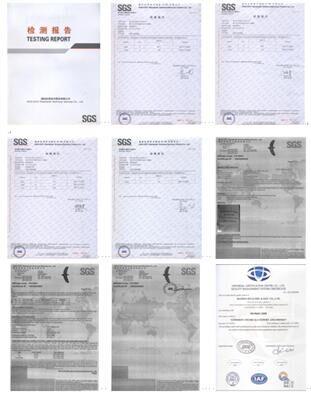
Xiamen Ditai Chemicals Co., Ltd is a professional chemical company in China. Specializing deal and export various kinds of quality chemicals since 1997. The products Include industry chemical, Animal feed additive, Food additive, Agrochemical, Fertilizer, pharmaceuticals, water treatment and Minerals. Our management team has about 20 years of combined expertise meeting the needs of clients. We are proud our quality chemcials and service was approbated by the clients in the worldwide. Xiamen Ditai Chemicals Co., Ltd is an ISO9001:2008 certificated organization.

productcate-1-1


Certificate


productcate-1-1

FAQ

Q: What is formic acid?

A: Formic acid is the simplest carboxylic acid with the chemical formula HCOOH. It occurs naturally in various foods and is also synthesized industrially for a wide range of applications.

Q: Where is formic acid found naturally?

A: Formic acid is present in the venom of ants, bees, wasps, and snakes, hence its name derived from "formica," the Latin word for ant. It is also found in some fruits, vegetables, and bark of trees.

Q: How is formic acid manufactured?

A: Industrially, formic acid is produced by the oxidation of methanol. Another method involves the thermal decomposition of formates or the catalytic oxidation of carbon monoxide.

Q: What are the uses of formic acid?

A: Formic acid is used in leather processing, as a food preservative, in dye manufacture, in the synthesis of other chemicals, as a solvent, and in the treatment of metal surfaces.

Q: What is the pH of formic acid?

A: Formic acid has a relatively low pH, typically around 2.75 for a 10% aqueous solution. It acts as a weak acid when dissolved in water.

Q: Is formic acid flammable?

A: Formic acid is not flammable itself but can form explosive mixtures with air when in a concentrated state. It should be stored and handled with care to avoid exposure to heat or ignition sources.

Q: What happens if formic acid gets on the skin?

A: Exposure to formic acid can cause skin irritation. Immediate washing with soap and water is recommended to prevent any long-term effects.

Q: How do I safely dispose of formic acid waste?

A: Waste formic acid should be neutralized with a base and disposed of according to local regulations. It is important to consult with environmental health and safety professionals for proper disposal methods.

Q: What personal protective equipment (PPE) should be worn when handling formic acid?

A: Safety goggles, gloves, lab coats, and sometimes face shields should be worn when handling formic acid to protect against skin contact and splashes to the eyes.

Q: What is the boiling point of formic acid?

A: The boiling point of formic acid is 100.8 degrees Celsius at atmospheric pressure. It depends slightly on the purity of the acid and the presence of other solutes.

Q: Is formic acid a strong acid?

A: No, formic acid is considered a weak acid. It dissociates partially in aqueous solutions, releasing only a small percentage of hydrogen ions compared to stronger acids like hydrochloric acid.

Q: Can formic acid be stored with other chemicals?

A: Care must be taken when storing formic acid with other chemicals. It should not be stored with incompatible substances such as strong oxidizers. Always consult the Material Safety Data Sheet (MSDS) for specific storage recommendations.

Q: What are the environmental impacts of formic acid?

A: Formic acid is relatively benign to the environment compared to many other chemicals. It degrades quickly in the environment and is not known to bioaccumulate in organisms.

Q: Can formic acid be recycled?

A: Recycling formic acid depends on the context of its use. Industrial processes sometimes recover and reuse formic acid. However, recycling may not always be economically viable or technically feasible.

Q: What is the difference between acetic acid and formic acid?

A: Acetic acid (CH3COOH) is the second simplest carboxylic acid and is well-known as vinegar. Unlike formic acid, acetic acid has two carbon atoms in its structure. Both acids are used as preservatives and in chemical synthesis but have different properties and uses.

Q: Is formic acid corrosive?

A: Formic acid is corrosive, particularly to metals. It can attack iron, steel, copper, and brass, leading to corrosion. Proper storage and handling in inert containers are necessary to prevent damage.

Q: How does formic acid affect aquatic life?

A: Formic acid can be toxic to aquatic organisms, depending on the concentration and exposure time. It is important to manage waste containing formic acid appropriately to prevent harm to ecosystems.

Q: Can formic acid be transported by air?

A: Transporting formic acid by air is subject to regulations and classification as a hazardous material. It must be packed, marked, and labeled according to the International Air Transport Association (IATA) Dangerous Goods Regulations.

Q: What are the safety precautions for handling formic acid?

A: Handling formic acid requires careful adherence to safety protocols. This includes using PPE, working in well-ventilated areas, avoiding inhalation or ingestion, and having spill response plans in place.

Q: How is formic acid regulated?

A: The regulation of formic acid varies by country. In the United States, it is regulated by agencies such as the Environmental Protection Agency (EPA) and the Occupational Safety and Health Administration (OSHA). Similar agencies in other countries enforce regulations regarding the production, transportation, storage, and use of formic acid.

Xiamen Ditai Chemicals Co., Ltd. is one of the leading formic acid manufacturers and suppliers in China. We warmly welcome you to buy cheap formic acid from our factory. All our products are with high quality and competitive price.

85 Formic Acid

Send Inquiry