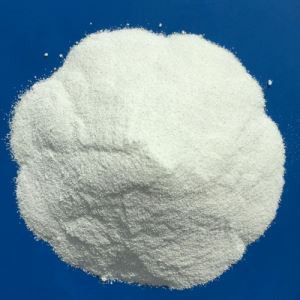
Calcium chloride is an inorganic salt, which exists as solid or liquid. Solid calcium chloride is a white, crystal substance in the form of flake, granule, pellet or powder. With different crystallized water contents, it can be dihydrate or anhydrous. Liquid calcium chloride is a colorless, clear solution. As calcium chloride has such properties as quick dissolving, exothermic ability, attracting moisture from the air and surroundings, dissolving at very low temperature.

Xiamen Ditai Chemicals: a Ammonium Bicarbonate Supplier Combining Quality and Innovation

Our company is a professional chemical company in China, specializing in operating and exporting various high-quality chemicals since 1997.

Variety of Products

The products we offer to our customers include industrial chemicals, animal feed additives, food additives, agrochemicals, fertilizers, pharmaceuticals, water treatment and minerals. By continuously improving quality and service, we will provide customers with the best quality products that meet their requirements.

Strict Quality Control

Our company is an enterprise certified by ISO9001:2008. We continually improve our internal and external procedures to ensure quality. Up to now, many of our chemicals have completed the final registration of REACH to facilitate customers to use our chemicals in the European market.


Competitive Price

In addition to quality, we think competitive prices of goods are also important. Our comprehensive distribution network, purchasing power and efficient inventory management system enable us to offer our products at the best prices.


Rich Industry Experience

Our management team has approximately 20 years of combined expertise in meeting our clients' needs. Our quality chemicals and services are recognized by customers around the world. In addition, our overseas branch - Kaiyu Trading can provide efficient services to customers around the world.

Brief Introduction to Calcium Chloride


Also referred to as calcium dichloride and E509, calcium chloride is an inorganic compound that classifies as a salt. At room temperature, it is colorless and highly soluble in water. One use for calcium dichloride is as a desiccant. Using calcium chloride in foods helps to absorb any moisture that would create an environment where bacteria would thrive. It is also used both pre- and post-harvest to maintain firmness, reduce decay, and prevent certain diseases in fruits and vegetables. With such a widely-applicable benefit as a drying agent, calcium chloride is used in a number of applications. One of these applications includes de-icing and preventing the formation of ice. If you use rock salt in the winter for your home or business, you’re using a form of calcium chloride.

Physical Properties of Calcium Chloride

Taste, Color, and Odor
Calcium chloride is salty to taste. Hence, it is added to many food products like canned vegetables, pickles etc. In the solid form, this compound is white in color, while in the liquidated form, it is colorless. This is an odorless compound.

Density and Solubility

The density of calcium chloride is 2.15 gm/cm3. It is soluble both in inorganic solvents like water, as well as organic solvents like ethanol.

Electrical Conductivity

Usually in a molten state, it is a good conductor of electricity.

Thermal Conductivity

Calcium chloride is a bad conductor of heat.

Boiling Point

Its boiling point is as high as 1935°C.

Hygroscopy

It is hygroscopic in nature and absorbs moisture from air. If exposed to open air, it tends to turn into liquid. That is why, it is often called a deliquescent substance.

Melting Point

It has a low melting point, which means it can be dissolved at a very low temperature. The value of melting point of this compound is 772°C.

Chemical Properties of Calcium Chloride
Cacl2 Calcium Chloride CAS 10043-52-4

Exothermic

Calcium chloride is exothermic in nature, that is, it releases heat during any chemical reaction.

Calcium Chloride Anhydrous CAS 10043-52-4

Reaction with Water

When calcium chloride is exposed to water, it dissolves to form aqueous ions. The reaction depicting this process is as given below: CaCl2(s) + H2O(l) ➜ Ca+2(aq) + 2Cl–(aq) + H2O(l)

Calcium Chloride Prills CAS 10043-52-4

Reaction with Sulfuric Acid

When it comes in contact with sulfuric acid, hydrochloric acid is formed, which is highly caustic in nature.


Calcium Chloride Anhydrous Powder CAS 10043-52-4

Reaction with Metals

Calcium chloride is a non-inflammable substance. However, when it comes in contact with metals like zinc or sodium, it produces hydrogen, which is highly inflammable. For this reason, we should ensure that calcium chloride is kept away from these metals. We should also avoid storage of calcium chloride in containers made of any of these substances.

 
Calcium Chloride Specifications


productcate-496-610

Different Types of Calcium Chloride


Anhydrous Calcium Chloride
Anhydrous calcium chloride, meaning without water, is a white to white-gray solid often distributed as pellets, flakes, or as a granular powder. Dry CaCl2 has a high affinity and reactivity for water and can form various hydrate structures including mono-, di-, tetra-, and hexa-calcium chloride hydrates. As a solid, CaCl2 is a strong desiccant effective in absorbing water and water vapor from its surrounding environment. Dry CaCl2 is highly soluble in water and the dissolving process is a measurable exothermic (i.e., heat-releasing) reaction. Calcium chloride’s chemical affinity for water and the heat produced on dissolution directly contribute to its ability to melt ice as well as reduce the freezing point of water.


Aqueous Calcium Chloride
When dissolved in water, calcium chloride is a colorless, odorless solution. Aqueous CaCl2 is also known as a metal-aquo complex due to the specific molecular interactivity between metal Ca2+ ions and water molecules. Liquid calcium is a stable, non-volatile solution often with a pH between 7-10. Concentrated calcium chloride solutions are considered mildly corrosive and require proper handling and storage. Concentrations can range from dilute 1% up to saturated 42% by weight solutions. Commercial and industrially-produced products are common from 28% to 42% by weight. Liquid calcium at 29.8% strength is often used as it provides the lowest freezing point and greatest function as a deicing agent of the different calcium chloride solutions.

 
Uses of Calcium Chloride
 
Food Enhancement

Calcium chloride is often found as a firming agent in foods, due to its ability to absorb moisture. It helps hold canned vegetables together, and to convert soy curd into solid blocks of tofu. Further, it can depress freezing levels in liquids and semi-solids, making it useful in the creation of cold foods such as ice cream. In addition, it can also be found as a flavor additive. It has an extremely salty flavor and can, therefore, be used as an alternative to standard salt, such as in “low sodium” products. It even functions as an electrolyte in many sports beverages.

 
Water Hardening

Calcium chloride is commonly used for several things, but one of its most popular uses is in swimming pools. When added to water, it can help to raise the overall pH level, making it more alkaline. This can benefit swimmers since it makes the water feel softer and helps reduce eye irritation. Calcium chloride is an extremely common additive to soft water, particularly in swimming pools and other situations where water is being held in concrete. The calcium leeches into the concrete, preventing erosion.

 
Food and Medicine

Calcium chloride also has many applications in the medical industry. In medications, it can function as a buffering agent, as well as an anti-moisture agent. It has direct medicinal qualities as well. It is utilized in lowering blood pressure, as well as treating acid burns. Injections may also be used to enhance the resolution of an electrocardiogram. Calcium chloride is an active ingredient in most sports drinks designed to replace electrolytes lost during strenuous exercise. It is also used to maintain fluid balance in the body and to prevent cramping. In addition, calcium chloride is sometimes added to sports drinks to improve their taste.

 
Road Work

Calcium chloride is frequently utilized as a de-icing agent and is very often what’s actually in municipal “salt trucks” de-icing roads in the winter. However, it was probably also utilized in the creation of the road itself! Calcium chloride is often utilized in concrete mixing, because it simultaneously speeds up setting of the concrete, while also reducing the effects of moisture on the mix. It melts ice quickly and prevents it from forming, making it ideal for areas that experience a lot of winter weather.


Some Useful Tips about Calcium Chloride


Supply High Quality Barium Chloride CAS 10361-37-2

Health and Safety Considerations

While calcium chloride is generally recognized as safe for consumption by the U.S. Food and Drug Administration, it is important to be aware of its potential health effects. Ingesting large amounts can result in gastrointestinal upset, while direct skin or eye contact can cause irritation. Workers handling calcium chloride are often recommended to use protective equipment, such as safety glasses and gloves.

Environmental Impact

Calcium chloride is not typically harmful to the environment under normal circumstances. It is a naturally occurring salt that is frequently used to suppress dust on roads and aid in soil stabilization. However, overuse or improper disposal of calcium chloride can potentially contribute to soil and water salinity, which could negatively affect plant growth and freshwater habitats.

Storage and Disposal

Given its hygroscopic nature, calcium chloride should be stored in a tightly sealed container and kept in a dry, well-ventilated area. Disposal of calcium chloride should comply with local, state, and federal environmental regulations to avoid any adverse effects on the environment. It is generally advised not to dispose of large quantities of calcium chloride by washing it down the drain due to potential issues with plumbing and local water treatment facilities.

Dry CaCl2

Stockpiles of solid calcium chloride are recommended to be kept indoors under waterproof cover to ensure chemical stability and avoid potential exposure to water such as from precipitation, excess humidity, and CO2. Outdoor storage of bulk solids is recommended in fully sealed containers with suitable discharge engineering such as cone-bottom tanks to accommodate gravity feed of solid materials. For example, flakes of calcium chloride will require a 45° angle to achieve an effective outlet via gravity flow, and pellets will require a 35° angle to establish flow.

Liquid CaCl2

Liquid calcium is best stored in fully enclosed vertical chemical storage tanks. Certain concentrations are susceptible to low temperatures and freezing. Liquid calcium solutions that are 20% to 32% by weight have subzero freezing points and are ideal for outdoor storage and applications that will experience very low ambient temperatures. Solutions from 1% to 19% and from 33% to 42% are potentially sensitive to freezing, and bulk volumes are best kept indoors. If outdoor installation is intended for these concentrations, tank insulation and/or heat tracing may be needed.
 
Our Certificate


Our company has obtained the following certificates
 

productcate-311-398


Our Factory


This is a photo of our factory
 

productcate-668-732


FAQ

Q: What are some things I need to know or do while I take Calcium Chloride?

A: ●Tell all of your health care providers that you take calcium chloride. This includes your doctors, nurses, pharmacists, and dentists.
●Have blood work checked as you have been told by the doctor. Talk with the doctor.
●This medicine may contain aluminum. There is a chance of aluminum toxicity if you are on calcium chloride for a long time. The risk is greater if you have kidney problems. The risk is also higher in premature infants. Talk with the doctor.
●Tell your doctor if you are pregnant or plan on getting pregnant. You will need to talk about the benefits and risks of using calcium chloride while you are pregnant.
●Tell your doctor if you are breast-feeding. You will need to talk about any risks to your baby.

Q: What is calcium chloride made of?

A: Calcium chloride is a calcium-derived salt that occurs naturally. It is a solid white and can be rendered synthetically as well.

Q: Is calcium chloride a natural product?

A: Natural calcium chloride contains small quantities of sodium chloride and potassium chloride transported from the natural feedstock of the brine. This covers nearly all food-grade calcium chloride applications.

Q: What is calcium chloride commonly used for?

A: Calcium chloride is an excellent desiccant as a hygroscopic agent to eliminate dissolved moisture in liquids and is suitable for use in food packaging to improve dryness and avoid spoilage.

Q: What happens when calcium chloride is exposed to air?

A: Because calcium carbide is a fragile material, when exposed to air, it absorbs water from the atmosphere. When anhydrous calcium chloride becomes released in the sun, it also absorbs heat from the atmosphere and becomes a colourless solution.

Q: Is calcium electrically conductive?

A: Calcium is more difficult than lead, but with an effort, it can be cut with a knife. Although calcium is a weaker electricity conductor than copper or aluminium by weight, due to its very low density, it is a better mass conductor than both.

Q: Why is calcium chloride used in drinking water?

A: It’s commonly used in sports drinks and other beverages, including bottled water, as an electrolyte. Calcium chloride’s highly salty taste is used to flavour pickles, without increasing the sodium content of the food.

Q: What foods contain calcium chloride?

A: Calcium chloride is used as a firming agent in canned vegetables, to firm soybean curds into tofu, and to make a caviar substitute from vegetable or fruit juices. It’s commonly used in sports drinks and other beverages, including bottled water, as an electrolyte.

Q: What is bad about calcium chloride?

A: Calcium chloride poses some serious dangers to your health and safety. Calcium chloride can cause burns in the mouth and throat, excess thirst, vomiting, stomach pain, low blood pressure, and other potential serious health effects if ingested. This may also irritate the skin, causing prolonged dryness or damp skin to dry out.

Q: Is it safe to eat Calcium Chloride?

A: The uses of calcium chloride are plentiful, which leads to the question on whether it’s safe to consume. The use of calcium chloride in food relate to the fact that it is extremely salty in taste. It is used in brines, giving a salty taste without adding in all the sodium. Using calcium chloride in food serves as a firming agent as well, and it is commonly found in cheese and tofu. Calcium chloride is generally recognized as safe (GRAS).

Q: How should packages of solid calcium chloride be stored?

A: Solid calcium chloride is both hygroscopic and deliquescent. This means that the product can absorb moisture from the air, even to the point of converting to liquid brine. For this reason, protecting solid calcium chloride from excessive moisture exposure is the primary requirement to maintain product quality while in storage. Packaged calcium chloride should be stored in a dry place. Avoid storing in areas where product leakage could cause damage. Some types of bags (i.e. valve closure bags) do not seal well if stored standing on end and should be stored lying flat. Opened packages should be tightly resealed after each use to prevent caking and liquid brine formation that may result from exposure to humid air. Palletized product covered by an intact plastic shroud may be stored outdoors on a well-drained asphalt or concrete surface. If the shroud is torn, pierced or removed, the palletized product should be stored indoors or under a waterproof covering. Products packaged in drums or FIBCs (aka. Super Sacks or Big Bags) are typically not shrouded. Therefore, these packages should be stored indoors or under a waterproof covering.

Q: Can liquid calcium chloride be used to deice sidewalks and parking lots?

A: Yes. However, liquid deicers have significantly less melt capacity than solid deicers because the liquids are already diluted with water. This makes liquids best suited for use in anti-icing or pre-wetting applications, but they can be used for deicing thin layers of snow or ice as well. The most common liquid calcium chloride concentration used in winter applications is 32%. The most appropriate liquid application rate depends on a variety of situation-specific factors, including weather conditions, surface type, amount of snow/ice present, etc. Over-application or application onto a contaminated surface may result in slickness. If a liquid deicer is applied to a surface under humid conditions prior to a winter storm event, it may absorb enough moisture from the air to dilute to a concentration that will freeze as the temperature drops, possibly resulting in slickness. Because conditions that affect application rate vary significantly from situation to situation, it is the responsibility of each end user to determine the liquid application rate best suited for the particular situation.

Q: I have used ice melter to remove ice dams on my roof. Are there any concerns about using calcium chloride in this manner?

A: We recommends that you hire a trained professional to treat ice dam-related problems and investigate insulation and attic ventilation best practices that may prevent ice dams. There are ice melt products on the market designed to be thrown onto the roof where ice dams have built-up to create channels that allow melting snow to drain off the roof. Most common ice melt products contain chlorides, including hygroscopic (moisture attracting) products like calcium chloride and magnesium chloride. While very effective in melting ice, hygroscopic ice melt products may cause water to evaporate at a slower rate and remain damp longer than naturally melting water. If you use ice melt products on your roof, be aware of the risks involved and take precautions to maintain proper drainage. Water from melting ice can corrode roofing nails and steel gutters, and could get under shingles, potentially damaging wood products. You should also prevent the water from draining directly onto vegetation, including shrubs, bushes and evergreens.

Q: Is it okay to use calcium chloride products for deicing wood surfaces?

A: The variety of wood treatments that could be used on exterior wood surfaces makes it difficult to predict the effect of calcium chloride deicers on those surfaces. Therefore, deicing wood surfaces with calcium chloride products is not recommended. Calcium chloride could potentially soak into untreated and some treated wood surfaces, resulting in damp spots that may be difficult to remove.

Q: Will deicing with calcium chloride products damage my concrete?

A: Calcium chloride products are recommended for deicing asphalt and concrete surfaces that have been designed and constructed for winter weather conditions and deicer usage. Calcium chloride products will not chemically attack asphalt or concrete. Melt water from the deicing process may soak into porous concrete and re-freeze, creating pressure within the concrete structure. Concrete that lacks strength to withstand this pressure may spall or scale. Concrete is resistant to scaling damage if it is air-entrained, mixed, placed and cured according to the recommendations of the American Concrete Institute Committee 201. Calcium chloride products are not recommended for deicing concrete that is less than one year old, precast steps, masonry (stone, brick, mortar joints), or existing concrete that has exposed aggregate, is precast, prestressed, chipped, cracked, spalled or weathered.

Q: Is calcium chloride used for dust control corrosive to vehicles?

A: Noticeable vehicle corrosion is not likely to be associated with dust control applications of calcium chloride. First, the application rate is relatively low, so there is not much calcium chloride available to come into contact with passing vehicles. Second, the calcium chloride tends to remain in the road bed. If it didn't, it wouldn't control dust very well because it would disappear from the road after a short while. If it is suspected that a vehicle has come into contact with calcium chloride, a basic wash of the vehicle will remove this highly soluble salt.

Q: Is calcium chloride safe for use around grassy areas and other vegetation?

A: Under typical application conditions, calcium chloride will not damage grass or vegetation adjacent to a road surface where dust control is applied. As with fertilizer and any other road dust control chemical, it is possible for grass to be damaged if the calcium chloride is over-applied or large quantities are directly applied to grass or vegetation.

Xiamen Ditai Chemicals Co., Ltd. is one of the leading calcium chloride manufacturers and suppliers in China. We warmly welcome you to buy cheap calcium chloride from our factory. All our products are with high quality and competitive price.

Anhydrous Calcium Chloride

Send Inquiry