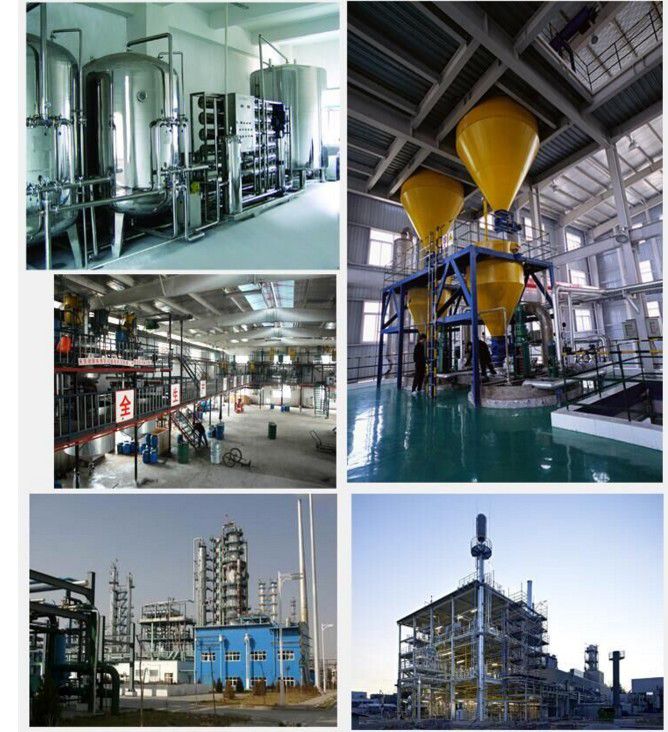
Ammonium Sulfate CAS 7783-20-2 Applications

1.In agriculture, used for nitrogen fertilizer.

2. Raw material of making compound fertilizer.

3. In chemical industry, it is used for raw material in making oxydol, ammonia-alum and ammonium chloride

What Is Ammonium Sulphate?


Ammonium sulfate is an inorganic salt that consists of ammonium ions (NH4+) and sulfate ions (SO42-). It is a white, crystalline solid that is soluble in water and commonly used in a variety of industrial and agricultural applications.


Ammonium sulfate is commonly used as a fertilizer in agriculture due to its high nitrogen content. It is also used in the production of various chemicals, such as dyes, pharmaceuticals, and flame retardants. In the food industry, it is used as a dough conditioner, a yeast nutrient, and a food additive to help regulate acidity levels.


Ammonium sulfate can also be used as a flame retardant in some applications, as well as a coagulant in the purification of proteins and enzymes. It has also been used as a stabilizer for certain explosives and as a component in certain chemical reactions.

Advantages of Ammonium Sulphate


Regulates ph levels in soil
Ammonium sulphate has a ph of 5.5. When ammonium sulphate is applied to soil, this compound will release ammonium ions which contribute to lowering the ph value in the soil. This advantage is generally expected when farmers are dealing with alkaline soil. Determining optimal ph levels is generally close to neutral or in the range 6.5 to 7.5. In general, macronutrients such as nitrogen (n), potassium (k) and sulfur (s) are not too affected by soil ph. However, there are types of elements that are not available when the soil ph is too acidic or too wet. Let’s take the example of the element phosphorus (p). In soil conditions that are too acidic, phosphorus will react with aluminum (al) and iron (fe) and create less soluble compounds. If the soil ph is too alkaline, phosphorus will react with magnesium (mg) and calcium (ca) and create a less soluble compound. Less soluble compounds will mean that elements cannot be completely absorbed by plant roots, because as is known, water is a kind of means of transportation for these elements. This dilemma requires ground conditions that are close to neutral as a solution to the above conditions.


High nitrogen levels
Nitrogen is a component of the chlorophyll molecule which has the function of capturing sunlight and providing energy to plants. The energy produced is directly proportional to the growth of the plant. Ammonium sulfate has advantages thanks to its high nitrogen content. Research states that a nitrogen level of 40 ppm is needed to be considered sufficient. To optimally determine whether additional nitrogen is needed in the soil, a soil test can be carried out between late fall and early spring.


Prevention of sulphur deficiency
Sulfur (s) is an important element in plant growth. The uses of sulfur include supporting nitrogen metabolism, enzyme activity, and oil and protein synthesis. In general, plants that lack sulfur will experience morphological changes. These changes are yellowing leaves and short, thin stems. In other cases that occur in canola plants that lack sulfur, the plants experience changes such as young leaves being purple and curling upwards, flowering being delayed and prolonged, flowers are pale, and the pods are fewer and smaller. Sulfur deficiency can be overcome by using ammonium sulfate which contains sulfur.


Good solubility
The good ingredients in a fertilizer will be useless if the fertilizer is unable to dissolve in water. Water has a very vital role in plant growth. Water acts as a ‘vehicle’ for plant nutritional elements to be absorbed by the plant roots. Ammonium sulfate, on the other hand, has excellent solubility of 70.6 g/100ml. Ammonium sulfate has very good solubility in water because the ions contained in this compound are nh4+ (ammonium) and so42- (sulfate). Ammonium ions have a positive charge and can form hydrogen bonds with water molecules which have a partially negative charge on oxygen and hydrogen. Sulfate ions can also form hydrogen bonds with water. Although sulfate has a negative charge, electrostatic interactions and hydrogen bonding allow its solution in water.


Does not contain chloride
In fact, chlorine (cl) is a nutrient in plants, but excessive amounts of chlorine will hurt plants that are sensitive to chlorine. Agricultural commodities that are sensitive to chlorine are potatoes, pineapples, oranges, chilies, tomatoes, cabbage, grapes, shallots, strawberries, mangoes, peppers, apples, durian, tobacco, avocados, melons and cocoa. High chloride content can cause low chlorophyll content in leaves (yellowing leaves) and low sugar content in fruit. Ammonium sulfate is a suitable choice to overcome this risk because there is no chlorine content in this compound.


Why Choose Us

Product Diversification

Xiamen ditai chemical co., ltd. Is a professional chemical company in China, with products including industrial chemicals, animal feed additives, food additives, agricultural chemicals, fertilizers, pharmaceuticals, water treatment and minerals

Good Price-performance Ratio

We believe that competitive prices for goods are also important. Our comprehensive distribution network, purchasing power and efficient inventory management system enable us to provide our products at the best prices

Professional Team

Our management team has about 20 years of combined expertise to meet customer needs.


Certificate Certification

Iso9001:2008 certified institutions, iso9001 standard quality management and sgs quality control can allow us to clearly grasp the actual quality of the goods.

Uses of Ammonium Sulfate


As Agricultural Fertilizer
The first applications of this nitrogen fertilizer were known as fertilizers for alkaline soils. Ammonium ion is released in the soil and forms a small amount of acid, and in this condition it reduces the pH of the soil; while the essential urt is distributed for plant growth in the soil. The most important disadvantage of using this nitrogen in its low nitrogen content compared to ammonium nitrate fertlizers. The same property of this fertilizer is used for fruit trees.

It is also used as a spray regulator of water soluble insecticides, herbicides and fungicides for agriculture.


As A Food Additive
As a food additive, this substance is generally recognized as a safe compound by the US food and drug administration and is introduced in the European Union under the number E517. The edible grade of this material is used as an acidity regulator in flour and bread.


Application Of Ammonium Sulfate In Industry
In drinking water treatment, this preparation is used in combination with chlorine to produce monochloramine for disinfection.
It is used on a small scale in the preparation of other ammonium salts, especially ammonium persulfate
It is used as the main ingredient of many vaccines in the United States at the center for disease control.
A saturated solution of this substance in heavy water (D2O) is used as an external standard in NMR spectroscopy for sulfur ().
It has also been used in fire retardant compounds that act like Diammonium phosphate. As a flame retardant, this compound can increase the combustion temperature of the material.
It has been used as a wood preservative, but due to its moisture absorption properties, it causes problems related to corrosion of metal joints and has been largely discontinued in these applications.

How Does Synthesis of Ammonium Sulfate Occurs
 

Pour about 100 cm3 of ammonia solution into a beaker, then add the correct volume of dilute sulfuric acid needed for neutralisation. This step is to neutralise the acid if it has been added too much. This the first step in synthesis of ammonium sulfate.


Add a few drops of concentrated sulfuric acid to the mixture and heat until the ammonium sulfate precipitates on cooling. The precipitate is removed, washed with water and then dried, preferably using an electric dryer which can be controlled to be twice as hot as necessary.


Dissolve 5 g of ammonium sulfate in a small amount of water, and distill off the distillate at a temperature of about 100C (212K). The yield is about 100 grams for each liter of ammonium sulfate formed (%).

Ammonium Sulphate Granular CAS 7783-20-2


Ammonium Sulphate Fertilizer CAS 7783-20-2

The separated ammonia can be used as a fertilizer or the product can be recrystallised in the form of a fine, yellowish crystalline material. This yields almost pure ammonium sulfate, with a purity over 95%.


The manufacturing process is stimulated by climatic variation; it is therefore essential to obtain ammonium sulfate at all times, even in periods of low nitrate fertiliser consumption. In cases of seasonal variations, the production process must adapt to the progress of snow and freeze-up events.

How to Choose a Ammonium Sulphate


Understand product quality standards
When choosing a quality ammonium sulfate product, you first need to understand the reputation of different manufacturers and the product certifications they hold. Internationally recognized certifications such as iso standards are an important indicator of product quality. Choosing a manufacturer with a good reputation can not only ensure the quality of ammonium sulfate, but also guarantee after-sales service and customer support.


Product ingredient analysis
High-quality ammonium sulfate products should have the following characteristics:

●High nitrogen content: Ensures maximum effectiveness of the fertilizer.
●Low impurity content: Reduces negative impact on soil and plants.
●Good solubility: Can be quickly absorbed by plants.


Physical properties and chemical stability
When choosing ammonium sulfate, it is essential to pay attention to the physical properties and chemical stability of the product. High-quality ammonium sulfate should have good storage stability to avoid deterioration during storage or use. This has high requirements for storage environment and transportation conditions, so it is necessary to understand the characteristics of the product in detail.


Balance between price and quality
Price is also an important factor to consider when choosing ammonium sulfate products. On the premise of ensuring product quality, choosing products with high cost performance can effectively control production costs and reduce risks. There are multiple brands of ammonium sulfate products on the market. It is recommended to find a suitable balance between price and quality.


Third-party quality verification
In order to ensure the quality and compliance of the purchased ammonium sulfate products, it is recommended to conduct product quality verification through a third-party testing agency. Independent third-party testing can provide more objective and scientific data analysis, helping you choose products with more confidence.

 
Safety Precautions When Using the Ammonium Sulphate

Avoid contact with the eyes of the ammonium sulfate composition and in case of contact, immediately wash the eyes with plenty of water for at least 15 minutes. Use cold water as much as possible. Try to remove the eye lens quickly.


If this composition comes into contact with the skin, immediately wash the contact area with plenty of water. Cover the irritated skin with an antibacterial moisturizer or emollient. It is better to wash the place of contact with the skin antiseptic soap.


In case of inhalation of the dust of this substance, move the injured person to fresh air. In case of suffocation and severe symptoms of shortness of breath, be sure to take him to the emergency room. For this mineral composition, dangerous and acute respiratory effects have not been reported.


Possible acute health effects from repeated contact with this chemical compound have been introduced. This substance can irritate the skin and cause itching and inflammation.


If accidentally swallowed, this chemical can move water from the body to the intestines and act as a laxative.


If a sufficient amount of it is absorbed systemically by the body, it may cause ammonia poisoning. These symptoms include the digestive system. Irritation of the is accompanied by nausea and diarrhea.


It may also affect the eyes, central nervous system behavior (drowsiness, tremors, convulsions, muscle contraction) and respiratory system (respiratory stimulation, shortness of breath).

 
Company Introduction


Xiamen Ditai Chemicals Co., Ltd is a professional chemical company in China. Specializing deal and export various kinds of quality chemicals since 1997. The products Include industry chemical, Animal feed additive, Food additive, Agrochemical, Fertilizer, pharmaceuticals, water treatment and Minerals. Our management team has about 20 years of combined expertise meeting the needs of clients. We are proud our quality chemcials and service was approbated by the clients in the worldwide. Xiamen Ditai Chemicals Co., Ltd is an ISO9001:2008 certificated organization. We always pay attention to the quality control......

productcate-1-1


Our certificates

ISO9001:2008 certified organization, ISO9001 standard quality management and SGS quality control can let us clearly grasp the actual quality of the goods

productcate-1-1


FAQ

Q: Which plants benefit from ammonium sulfate?

A: Ammonium sulfate and soil pH If you want to grow acid-loving plants, such as blueberries, artichokes or potatoes, lowering the soil pH can significantly improve your crop and the overall health of your plants. Ammonium sulfate has a pH of 5.5, and the sulfur it contains will help a little.

Q: What are the benefits of ammonium?

A: One of the advantages of quaternary ammonium disinfectants is that they do not damage clothing and carpets like oxidizing chemicals do. They are also non-corrosive to metal pipes and other surfaces.

Q: Are quaternary ammonium salts harmful?

A: In addition to harming bacteria, quaternary ammonium salts are lung irritants and can cause asthma and other breathing problems. They can also irritate the skin - and can cause rashes. (This is one reason why antibacterial wipe packaging strongly recommends washing hands after use.

Q: Does ammonium sulfate turn grass green?

A: Ammonium sulfate provides easily available nitrogen and sulfur to your lawn. It helps lawns turn green quickly, helps cold soils, and is relatively inexpensive.

Q: Is ammonium sulfate good for plants?

A: As a water soluble fertilizer, ammonium sulfate is widely used in crop production because it provides effective nitrogen and readily available sulfur that helps plants grow. By adding general value to alkaline soils, this fertilizer is essential for maintaining healthy soils and vigorous crop growth.

Q: Is ammonium sulfate harmful to plants?

A: A: Ammonium sulfate is nitrogen, and as such is important in almost all gardening activities we engage in. But it can be bad if used in excess, especially because ammonium sulfate is a chemical fertilizer, and they are more likely to burn plants from overuse than organic fertilizers.

Q: What is the shelf life of ammonium sulfate?

A: Ammonium sulfate contains 21% nitrogen and 24% sulfur and can be used as a granular and liquid feed, making it a mineral fertilizer product for both cool and warm season lawns. Its effect lasts four to six weeks.

Q: Is ammonium sulfate bad for dogs?

A: After application, be sure to water the ammonium sulfate well enough so that dogs can not eat any clumps. Keep dogs away from the lawn until it dries out.

Q: Is it safe to use ammonium sulfate in soil?

A: Ammonium sulfate fertilizers are not recommended when repeated applications and long-term solutions are needed to improve soil health. They can create a buildup of dangerous chemicals and toxins that can be life-threatening in some cases.

Q: What can I use instead of ammonium sulfate?

A: Ammonium sulfate and urea (livestock urine) are two nitrogen substitutes used as home lawn fertilizer products.

Q: What is ammonium sulphate fertilizer?

A: Ammonium sulphate fertilizer, also known as sulphate of ammonia, is a nitrogen fertilizer containing 21% nitrogen and 24% sulphur in the form of sulphate. It is commonly used for its high nitrogen content.

Q: What are the uses of ammonium sulphate fertilizer?

A: Ammonium sulphate fertilizer is primarily used as a nitrogen source for agricultural crops. It is also used in the manufacturing of other fertilizers, fire retardants, herbicides, and in certain industrial processes.

Q: What are the benefits of using ammonium sulphate fertilizer?

A: Ammonium sulphate fertilizer offers several benefits, such as providing readily available nitrogen to plants, promoting strong leaf growth in all plants, improving the greening effect, especially in leaf crop vegetables, and enhancing the uptake of magnesium in plants. It also contributes to better moisture retention in the soil.

Q: How is ammonium sulphate fertilizer applied to the soil?

A: Ammonium sulphate fertilizer can be applied to the soil using various methods, including broadcasting, side dressing, and incorporation into the soil before planting. The application method depends on the specific situation and the type of crop being grown.

Q: Can ammonium sulphate fertilizer be used on all types of soil?

A: Ammonium sulphate fertilizer can be used on a wide range of soil types, including sandy, clay, and loamy soils. However, it is important to note that the application rates may vary depending on the soil type and nutrient requirements of the crops.

Q: What is the recommended application rate for ammonium sulphate fertilizer?

A: The recommended application rate of ammonium sulphate fertilizer varies depending on factors such as crop type, soil fertility, and desired nutrient levels. It is best to consult a local agricultural expert or soil testing laboratory to determine the optimal application rate for your specific situation.

Q: Is it necessary to water in ammonium sulphate fertilizer after application?

A: Yes, it is recommended to water in ammonium sulphate fertilizer after application. Watering helps to dissolve the granules and allows the nutrients to be readily available for plant uptake. Watering also helps to prevent potential volatilization of the nitrogen content.

Q: Can ammonium sulphate fertilizer be used in conjunction with other fertilizers?

A: Yes, ammonium sulphate fertilizer can be used in conjunction with other fertilizers to meet the specific nutrient requirements of the crops. It is often blended with other nitrogen fertilizers, such as urea or ammonium nitrate, to provide a balanced nutrient supply.

Q: How often should ammonium sulphate fertilizer be applied?

A: The frequency of ammonium sulphate fertilizer application depends on the specific crop, soil conditions, and nutrient requirements. As a general guideline, it is recommended to apply ammonium sulphate fertilizer 2 to 4 times per year, with each application spaced evenly throughout the growing season.

Q: Are there any precautions to be taken when using ammonium sulphate fertilizer?

A: Yes, there are a few precautions to be taken when using ammonium sulphate fertilizer. It is important to avoid applying the fertilizer in extreme weather conditions, such as during very hot or very wet periods, to prevent the loss of nutrients through volatilization or leaching. It is also recommended to store the fertilizer in a cool, dry place away from direct sunlight.

Xiamen Ditai Chemicals Co., Ltd. is one of the leading ammonium sulphate manufacturers and suppliers in China. We warmly welcome you to buy cheap ammonium sulphate from our factory. All our products are with high quality and competitive price.

Ammonium Sulphate Granular

Send Inquiry