Ammonium Molybdate Heptahydrate CAS 12027-67-7

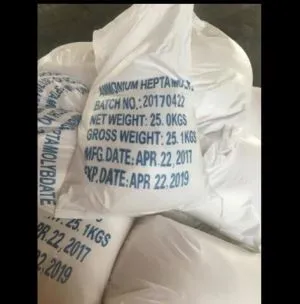
Product name: Ammonium Heptamolybdate

Molecular formula: (NH4)6Mo7O24·4H2O


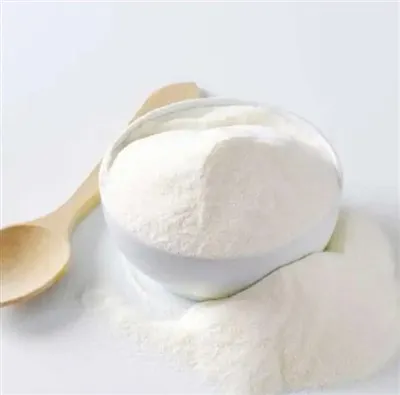
Appearance: White powdered crystals

Grade: 99.5%min tech grade

Package:25 kg bag

CAS NO.: 12125-02-9

What Is Ammonium Molybdate


Ammonium molybdate is a compound consisting of molybdenum, ammonium, and oxygen atoms, with the general formula (NH4)2MoO4 or (NH4)6Mo7O24. It forms deep violet crystals that are highly soluble in water. Ammonium molybdate is commonly used as a chemical reagent in analytical chemistry for the colorimetric determination of phosphates, silicates, and certain metals. It is also employed in the leather tanning industry as a mordant and in the production of pigments. Due to its ability to form stable complexes with metals, it is valued in qualitative and quantitative analysis for its role in producing distinct color changes upon reaction with analytes.

Advantages of Ammonium Molybdate


Catalytic properties

Ammonium molybdate is known for its catalytic properties, particularly in the petrochemical industry. It is used in the conversion of hydrocarbons, enhancing the efficiency of reactions and improving the yield of desired products. This catalytic activity makes ammonium molybdate a crucial component in the production of fuels and chemicals.


Corrosion inhibitor

Ammonium molybdate serves as an effective corrosion inhibitor, especially in cooling systems and boilers. It forms a protective layer on metal surfaces, preventing corrosion and extending the lifespan of equipment. This property is particularly beneficial in industries where metal components are exposed to harsh environments.


Analytical chemistry

In analytical chemistry, ammonium molybdate is frequently used as a reagent for the spectrophotometric determination of phosphorus. Its ability to form colored complexes with phosphorus-containing compounds allows for accurate quantification in water samples, soil analysis, and biochemical studies.


Flame retardant

Ammonium molybdate exhibits flame retardant properties, making it a valuable additive in the production of fire-resistant materials. Its incorporation into polymers and textiles can significantly improve their fire resistance, enhancing safety in various applications.


Environmental friendly

Compared to some other industrial chemicals, ammonium molybdate is considered relatively environment-friendly. It decomposes readily in the environment, releasing nitrogen and molybdenum, which are naturally occurring elements. This reduces the environmental impact associated with its use.


Cost-effective

Despite its versatility and wide range of applications, ammonium molybdate is a cost-effective chemical. Its availability and affordability make it an attractive option for industries seeking high-performance solutions without significant financial investments.

First 12 Last
Why Choose Us


High Quality
Our products are manufactured or executed to a very high standard, using the finest materials and manufacturing processes.


Professional Team
Our professional team collaborates and communicates effectively with each other, and is dedicated to delivering high quality results. We are capable of handling complex challenges and projects that require our specialized expertise and experience.


Advanced Equipment
A machine, tool or instrument designed with advanced technology and functionality to perform highly specific tasks with greater precision, efficiency and reliability.


Customized Services
We understand that each customer has unique manufacturing needs. That’s why we offer customization options to cater to your specific requirements.


Competitive Price
We offering a higher-quality product or service at an equivalent price. As a result we have a growing and loyal customer base.


24h Online Service
We try and respond to all concerns within 24 hours and our teams are always at your disposal in case of any emergencies.

Types of Ammonium Molybdate


One of the primary types of ammonium molybdate is the anhydrous form, which is simply (NH4)2MoO4 without water molecules. This form is stable at room temperature and is used in various industrial and laboratory settings, including the production of pigments and catalysts. Anhydrous ammonium molybdate can be hygroscopic, meaning it can absorb moisture from the air, which can lead to the formation of its hydrated forms. The most common hydrated form of ammonium molybdate is the tetrahydrate, denoted as (NH4)2MoO4·4H2O. This form is highly crystalline and is often preferred for analytical applications due to its consistent properties and ease of handling. The tetrahydrate form is stable at room temperature and does not readily lose its water content compared to other possible hydrate forms. Another type of ammonium molybdate can be found in different levels of purity. Technical grade ammonium molybdate may contain impurities suitable for certain industrial applications where high purity is not a strict requirement. Analytical grade ammonium molybdate, on the other hand, is highly pure and is used in sensitive analytical procedures where contamination could compromise results. Additionally, ammonium molybdate can be synthesized with different counterions to create salts that are tailored for specific reactions or analytical techniques. For example, ammonium molybdate can be combined with other cations to form mixed molybdates that have unique spectroscopic or catalytic properties.

 
How to Store Ammonium Molybdate

Container Selection
Ammonium molybdate should be stored in airtight containers made of materials that do not react with the chemical. Glass bottles with secure screw caps or plastic containers with tightly fitting lids are suitable choices. It is important to ensure that the container is clean and dry to prevent any contamination or absorption of moisture.


Temperature Control
The storage area should maintain a consistent temperature to avoid the solidification of the solution or the degradation of the compound. While ammonium molybdate is stable at room temperature, extreme heat or cold can accelerate decomposition or crystallization. Refrigeration is not typically required unless specified by the manufacturer or under special conditions for experimental purposes.


Humidity Management
Ammonium molybdate is sensitive to humidity, which can lead to the formation of clumps or the degradation of the compound. Therefore, the storage area should be kept dry, and the container should be sealed to prevent exposure to moisture in the air. Desiccants can be placed inside the container to absorb any residual moisture.


Light Protection
Direct exposure to light should be minimized as it may cause the compound to deteriorate over time. Ample shielding, such as wrapping the container in aluminum foil or storing it in a dark place, will help protect the ammonium molybdate from light-induced degradation.


Safety Measures
When handling ammonium molybdate, it is important to wear personal protective equipment (ppe), including gloves, goggles, and a lab coat. In case of spills or exposure, have the appropriate safety equipment and emergency procedures readily available. Store the compound away from areas accessible to children and pets.

Application of Ammonium Molybdate
 

Analytical Chemistry
One of the key applications of ammonium molybdate lies in analytical chemistry, where it is predominantly used in the colorimetric determination of phosphate concentrations. In the so-called "molybdenum blue method," ammonium molybdate reacts with phosphoric acid in an acidic medium to produce a blue-colored complex, typically ammonium vanadomolybdate. This complex is then reduced by certain reducing agents, resulting in the formation of a yellow-colored reduced molybdenum species.


Catalysis
Ammonium molybdate serves as a precursor for the synthesis of molybdenum-based catalysts. These catalysts play a crucial role in various industrial processes, including hydrodesulfurization of petroleum, oxidation reactions, and the production of certain chemicals. The catalytic activity of molybdenum is enhanced when it is combined with other metals, and ammonium molybdate provides a convenient way to introduce molybdenum into a catalyst formulation.

Ammonium Molybdate CAS 13106-76-8


Ammonium Molybdate Tetrahydrate CAS 12207-64-6

Chemical Synthesis
In organic synthesis, ammonium molybdate can act as an oxidizing agent. It is involved in the oxidation of alcohols to aldehydes or ketones and can also be used in the synthesis of certain heterocyclic compounds. The ability of molybdate ions to participate in redox reactions makes them valuable in the construction of complex organic molecules.


Pharmaceuticals
Although less common, ammonium molybdate has been studied for its potential applications in pharmaceuticals. It has been investigated for its effects on enzymes and could potentially be used as an enzyme inhibitor or activator, depending on the specific application.


Environmental Monitoring
Given its role in phosphate analysis, ammonium molybdate is also instrumental in environmental monitoring. It aids in assessing the nutrient levels in bodies of water, which is vital for understanding eutrophication and the spread of harmful algal blooms.


Agriculture
Molybdenum is an essential micronutrient for plants, playing a critical role in nitrogen metabolism. While ammonium molybdate is not directly applied as fertilizer, understanding its behavior and availability in soil is important for optimizing plant nutrition and ensuring agricultural productivity.


Material Science
In material science, ammonium molybdate can be used in the synthesis of molybdenum disulfide, which is a solid lubricant. The lubricating properties of molybdenum disulfide are highly valued in industries requiring low friction coefficients and wear resistance.

Ammonium Molybdate Heptahydrate CAS 12027-67-7

Precautions When Using Ammonium Molybdate


Ventilation
Work in a well-ventilated area or under a fume hood to prevent inhaling dust or vapors that may be generated during the handling or use of ammonium molybdate.


Hygiene
Wash hands thoroughly with soap and water before and after handling ammonium molybdate to prevent cross-contamination and personal exposure. Avoid eating, drinking, or smoking in areas where the chemical is present.


Spill Response
Be prepared to contain and clean up spills immediately. Have spill kits and the appropriate materials, such as absorbent pads or neutralizers, readily available. Follow the spill response procedures outlined by your institution or organization.


Storage Conditions
Store ammonium molybdate in a cool, dry place away from incompatible materials, such as oxidizing agents. Ensure that the container is tightly sealed when not in use.


Disposal
Do not dispose of ammonium molybdate down the drain, through the ventilation system, or as regular waste. Consult with your institution's waste disposal department or a professional hazardous waste service to ensure proper and compliant disposal methods.


Chemical Reactivity
Be aware of the chemical reactivity of ammonium molybdate. Avoid contact with strong acids, bases, and oxidizers, as these can lead to hazardous reactions. Always consult the material safety data sheet (msds) for detailed information on reactivity and compatible and incompatible substances.

 
How Do I Choose the Right Ammonium Molybdate
 

Purpose Of Use
Determine what you will be using the ammonium molybdate for. If it's for analytical purposes, such as colorimetric assays, you will require a high degree of purity and stability. If it's for industrial synthesis or catalytic processes, the exact specifications might vary based on the reaction conditions and desired outcomes.


Form Of Ammonium Molybdate
There are different hydrates of ammonium molybdate, such as the tetrahydrate ((nh4)2moo4·4h2o). The form you choose should be compatible with the solvent system and temperature conditions of your reaction or assay. Hydrated forms might lose water over time or with exposure to heat, affecting their performance and stability.


Purity Levels
Purity is paramount, especially in analytical applications where contaminants could interfere with measurements. Analytical grade ammonium molybdate typically has higher purity levels than technical grades, which may suffice for non-critical uses. Check the certificate of analysis (coa) provided by the supplier to confirm the purity level.


Packaging And Storage Conditions
Consider how the ammonium molybdate will be stored and transported. Some forms may be sensitive to light, humidity, or temperature changes. Ensure that the packaging protects the material from degradation during storage and shipping.

 
Production Methods of Ammonium Molybdate


Acid Baking Method
This traditional method involves baking molybdenum trioxide (MoO3) with sulfuric acid (H2SO4). The mixture is heated to a high temperature, allowing the MoO3 to react with the H2SO4 to form ammonium molybdates. The resulting product is then purified by dissolving it in water and precipitating the ammonium molybdate crystals. These crystals are filtered, washed, and dried to obtain the final product.


Direct Combination Method
In this method, solid ammonium paratungstate (APT) is directly reacted with sodium molybdate (Na2MoO4). The mixture is dissolved in water, adjusted to the correct pH, and then treated with ammonia gas. This results in the formation of ammonium molybdate crystals, which are subsequently filtered, washed, and dried. This process is efficient and yields a high-purity product suitable for various analytical applications.


Hydrothermal Synthesis
Hydrothermal synthesis is a technique that utilizes high-pressure and high-temperature aqueous environments to facilitate chemical reactions. For the production of ammonium molybdate, molybdenum oxide or another molybdenum precursor is combined with an ammonium source, such as ammonium sulfate, in a sealed autoclave. The mixture is heated to temperatures exceeding 200°C, leading to the formation of ammonium molybdate crystals through controlled hydrolysis and precipitation processes.


Solvent Extraction
Another method involves solvent extraction from molybdenum-containing solutions. Initially, molybdenum is extracted from its ores and concentrated in solution. Ammonia is then added to the solution to selectively extract molybdenum into the ammoniacal phase. This phase contains ammonium molybdates, which can be further concentrated and crystallized to obtain pure ammonium molybdate.


Ion Exchange Methods
Ion exchange techniques can also be employed to produce ammonium molybdate. In this method, molybdates in solution are passed through an ion exchange resin that selectively adsorbs the molybdate ions. Ammonium ions are then introduced to the resin, displacing the molybdate ions and collecting them in the solution. This solution is concentrated and crystallized to yield ammonium molybdate.

 
What Are the Components of Ammonium Molybdate

Ammonium ions are cations formed by protonation of ammonia (NH3). Protonation refers to the addition of a proton (H+) to the lone pair of electrons on the nitrogen atom of the ammonia molecule. This produces a positively charged ammonium ion, which has a charge of +1. The presence of a hydrogen atom attached to the nitrogen gives ammonium the property of acting as a Bronsted acid, donating protons in acid-base reactions. The molybdate ion is an anion derived from molybdic acid (H2MoO4). It consists of a central molybdenum (IV) atom with a +4 oxidation state, surrounded by four oxygen atoms arranged in a tetrahedral arrangement. The molybdenum atom is also coordinated with two hydroxyl groups (OH-) and can be replaced by other anions such as sulfate (SO42-) or chloride ions (Cl-) to form different molybdates. In the molybdate ion, the two hydroxyl groups are often replaced by other oxygen-containing anions to maintain the overall negative charge balance, leading to variants such as ammonium dimolybdate [(NH4)2Mo2O7], which contains two molybdenum atoms. Ammonium molybdate can exist in various hydrated forms, such as tetrahydrate ((NH4)2MoO4·4H2O), which is combined with four molecules of water of crystallization (water of crystallization). The presence of water in the crystal structure affects physical properties such as solubility and stability. The precise composition of the compound therefore includes not only ammonium and molybdate ions, but also water molecules in the case of the hydrated form. Depending on the conditions, ammonium molybdate can undergo various reactions. For example, it can act as a reducing agent in certain redox reactions. When heated, if impurities such as sulfites are present, the compound decomposes, releasing gases such as ammonia and sulfur dioxide. In addition, molybdate ions are known to participate in complex reactions with metal ions to form stable coordination complexes, which have applications in analytical chemistry and catalysis.

Can Ammonium Molybdate Be Used as a Catalyst?


Ammonium molybdate, a compound composed of ammonium and molybdate ions, has garnered attention for its potential use as a catalyst in various chemical reactions. The catalytic activity of ammonium molybdate is attributed to the molybdenum center, which can exist in different oxidation states and facilitate redox reactions. Molybdenum, being a transition metal, possesses unique electronic and geometric properties that can enhance the rates of reactions by providing alternative pathways with lower activation energies. Additionally, the molybdate ion can coordinate with various ligands, which can modulate the electronic environment around the molybdenum center and thereby influence its catalytic behavior. In organic synthesis, ammonium molybdate has been employed as a catalyst in C-C coupling reactions, such as Suzuki-Miyaura or Heck reactions, which are fundamental processes for forming carbon-carbon bonds. Its ability to facilitate the transfer of electrons or electron density makes it useful in promoting the formation of new bonds under mild conditions. Moreover, the use of ammonium molybdate as a catalyst offers the advantage of being easily separated from the reaction mixture due to its solid-state form, making it potentially more environmentally friendly compared to traditional liquid-phase catalysts. Outside of organic synthesis, ammonium molybdate's catalytic properties have been explored for environmental applications, such as the degradation of pollutants. For instance, it has been used to catalyze the decomposition of hazardous organic compounds under UV light, demonstrating its potential in photocatalytic processes aimed at cleaning up contaminated sites or water bodies.

Can Ammonium Molybdate Be Used in Analytical Chemistry?


Ammonium molybdate plays a significant role in analytical chemistry, serving as both a reagent and a tool in various analytical techniques. Its utility stems from the unique chemistry of molybdenum and the versatility of the ammonium ion in facilitating reactions. In colorimetric analysis, ammonium molybdate is employed to quantify certain elements and compounds. For example, it is used in the determination of phosphates. In this procedure, ammonium molybdate reacts with phosphate ions in an acidic medium to form a blue-colored complex, which can be measured photometrically. The intensity of the color is proportional to the concentration of phosphate ions present, enabling the analyst to determine the phosphate content with high precision. Similarly, ammonium molybdate can be used to detect sulfites and thiosulfates. In the presence of these anions, molybdate ions form a volatile molybdenum(VI) compound that can be distilled off and detected. This reaction is based on the reduction of molybdate ions, which is facilitated by the presence of sulfites or thiosulfates. In the field of organic analysis, ammonium molybdate can act as a selective reagent for aldehydes and ketones. Upon reaction with these compounds, it forms a colored complex, which can be used to detect the presence of carbonyl groups. This reaction is particularly useful in Tollens' test, which is a classic method for distinguishing aldehydes from ketones. Ammonium molybdate is also instrumental in the analysis of molybdenum itself. Since molybdenum can exist in multiple oxidation states, the use of ammonium molybdate helps in confirming the presence of the +6 oxidation state of molybdenum. This is achieved by analyzing the color change upon the reaction of molybdenum with ammonium molybdate under specified conditions.

 
Can Ammonium Molybdate Be Used in the Production of Pigments?

Ammonium molybdate, a compound comprising ammonium ions and the molybdate ion derived from molybdic acid, finds utility in diverse applications, including the production of pigments. One of the significant uses of ammonium molybdate in pigment production is as a precursor in the synthesis of transition metal oxide pigments, such as those based on molybdenum oxides. These pigments, which include molybdenum blue and molybdenum red, are valued for their vivid colors and excellent lightfastness. The process typically involves the thermal decomposition of ammonium molybdate, which leads to the formation of molybdenum trioxide (MoO3), which can be further processed to obtain the desired pigment phase. The control over the reaction conditions, such as temperature and atmosphere, is crucial in directing the phase transformation and optimizing the color properties of the final pigment. In the context of natural dye application, ammonium molybdate can function as a mordant, a substance that fixes dyes on the surface of fibers to improve their colorfastness. Mordants form complexes with dye molecules, enhancing their affinity for the material to be dyed. Although this application is less common for molybdate compounds compared to other mordants like alum or tannins, the use of ammonium molybdate can result in unique color shades and improved durability of the applied dye. In addition to acting as a precursor, ammonium molybdate can also serve as a catalyst or catalyst support in some pigment synthesis processes. The molybdenum center may facilitate bond-breaking and -forming reactions during the pigment formation, thus enabling the construction of complex molecular structures under milder conditions than would otherwise be possible. When considering the use of ammonium molybdate in pigment production, it is important to address the safety and environmental implications.

 
Our factory

Xiamen Ditai Chemicals Co., Ltd is a professional chemical company in China. Specializing deal and export various kinds of quality chemicals since 1997. The products Include industry chemical, Animal feed additive, Food additive, Agrochemical, Fertilizer, pharmaceuticals, water treatment and Minerals. Our management team has about 20 years of combined expertise meeting the needs of clients. We are proud our quality chemcials and service was approbated by the clients in the worldwide. Xiamen Ditai Chemicals Co., Ltd is an ISO9001:2008 certificated organization.

productcate-1-1


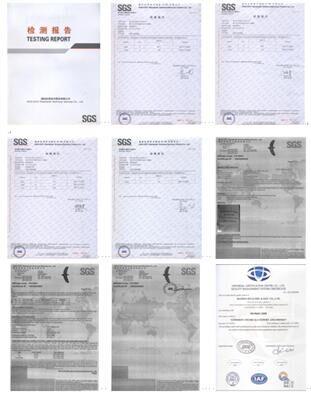
Certificate


productcate-1-1

FAQ

Q: What is ammonium molybdate?

A: Ammonium molybdate is an inorganic compound with the chemical formula (NH4)6Mo7O24.4H2O. It is a white crystalline powder that is highly soluble in water.

Q: What are the common uses of ammonium molybdate?

A: Ammonium molybdate is used in a variety of applications, including as a catalyst, a corrosion inhibitor, a fertilizer, and a reagent in analytical chemistry.

Q: How is ammonium molybdate produced?

A: Ammonium molybdate is produced by reacting molybdenum trioxide with ammonium hydroxide in a solution.

Q: Is ammonium molybdate toxic?

A: Ammonium molybdate is generally considered safe when used in appropriate amounts. However, excessive exposure can cause irritation to the eyes, skin, and respiratory system.

Q: Can ammonium molybdate be used as a catalyst?

A: Yes, ammonium molybdate is used as a catalyst in a variety of chemical reactions, including in the production of acrylic acid and formaldehyde.

Q: Can ammonium molybdate be used as a corrosion inhibitor?

A: Yes, ammonium molybdate is used as a corrosion inhibitor in some industrial applications, particularly in the oil and gas industry.

Q: Can ammonium molybdate be used in the production of ceramics?

A: Yes, ammonium molybdate is used in the production of some ceramics, particularly those that require high levels of molybdenum.

Q: Can ammonium molybdate be used in the production of glass?

A: Yes, ammonium molybdate is used in the production of some types of glass, particularly those that require high levels of molybdenum.

Q: Can ammonium molybdate be used in the production of steel?

A: Yes, ammonium molybdate is used in the production of some types of steel, particularly those that require high levels of molybdenum.

Q: Can ammonium molybdate be used in the production of alloys?

A: Yes, ammonium molybdate is used in the production of some alloys, particularly those that require high levels of molybdenum.

Q: Can ammonium molybdate be used in the production of electronic components?

A: Yes, ammonium molybdate is used in the production of some electronic components, particularly those that require high levels of molybdenum.

Q: Can ammonium molybdate be used in the production of batteries?

A: Yes, ammonium molybdate is used in the production of some types of batteries, particularly those that require high levels of molybdenum.

Q: Can ammonium molybdate be used in the production of lubricants?

A: Yes, ammonium molybdate is used in the production of some types of lubricants, particularly those that require high levels of molybdenum.

Q: Can ammonium molybdate be used in the production of catalysts for the petroleum industry?

A: Yes, ammonium molybdate is used in the production of catalysts for the petroleum industry, particularly for the production of gasoline and diesel fuel.

Q: Can ammonium molybdate be used in the production of catalysts for the chemical industry?

A: Yes, ammonium molybdate is used in the production of catalysts for the chemical industry, particularly for the production of acrylic acid and formaldehyde.

Q: Can ammonium molybdate be used in the production of catalysts for the pharmaceutical industry?

A: Yes, ammonium molybdate is used in the production of catalysts for the pharmaceutical industry, particularly for the production of antibiotics and other drugs.

Q: Can ammonium molybdate be used in the production of catalysts for the food industry?

A: Ammonium molybdate is not commonly used in the production of catalysts for the food industry.

Q: Can ammonium molybdate be used in the production of catalysts for the plastics industry?

A: Yes, ammonium molybdate is used in the production of catalysts for the plastics industry, particularly for the production of polyethylene and polypropylene.

Q: Can ammonium molybdate be used in the production of catalysts for the rubber industry?

A: Yes, ammonium molybdate is used in the production of catalysts for the rubber industry, particularly for the production of synthetic rubber.

Q: Can ammonium molybdate be used in the production of catalysts for the textile industry?

A: Yes, ammonium molybdate is used in the production of catalysts for the textile industry, particularly for the production of nylon and polyester.

Xiamen Ditai Chemicals Co., Ltd. is one of the leading ammonium molybdate manufacturers and suppliers in China. We warmly welcome you to buy cheap ammonium molybdate from our factory. All our products are with high quality and competitive price.

Ammonium Molybdate 4h2o

Send Inquiry