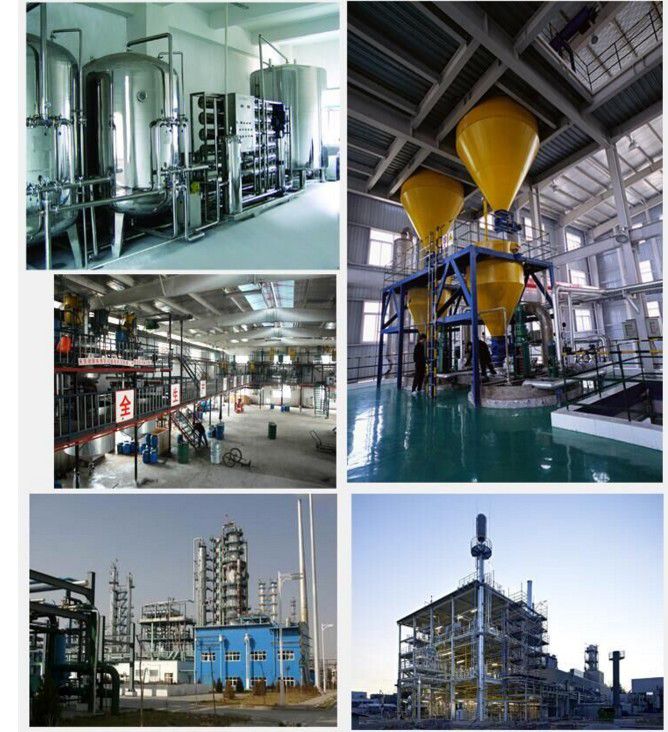
Glycine Foods Additive CAS 56-40-6

CAS:56-40-6

Molecular formula: C2 H5 NO2

Molecular weight: 75.07

Structure formula: NH2 CH2 COOH

What Is Glycine?


Glycine is an amino acid. The body can make glycine on its own, but it is also consumed in the diet. Sources include meat, fish, dairy, and legumes.


Glycine is a building block for making proteins in the body. Glycine is also involved in transmitting chemical signals in the brain, so there's interest in using it for schizophrenia and improving memory. A typical diet contains about 2 grams of glycine daily.


People use glycine for schizophrenia, stroke, memory and thinking skills, insomnia, and many other purposes, but there is no good scientific evidence to support most of these uses.

Advantages of Glycine


Builds muscle
Glycine is required for the synthesis of creatine, a chemical that provides energy to your muscles and helps with increasing muscle strength and size.


Repairs joints
Glycine is the main amino acid in collagen, which is crucial for your joints, tendons, and ligaments. Glycine has been demonstrated in studies to be necessary for the creation of flexible cartilage, help heal injured joints, and prevent the loss of mobility and functionality in older people.


Reduces inflammation
Glycine is a dietary precursor to glutathione, a powerful antioxidant that plays a role in lowering inflammation and protecting against free radical damage. By inhibiting the generation of harmful inflammatory molecules, glycine can help prevent diseases linked to oxidative stress such as liver injury, ischemic stroke, and heart attack.


Protects the liver from alcohol damage
Excessive alcohol use can be damaging to the liver. By preventing inflammation, glycine can help minimize the detrimental effects of alcohol on the liver. Animal studies have shown that glycine may help reduce blood alcohol concentration in rats who were fed alcohol.


Protects heart health
Due to its anti-inflammatory and antioxidant properties, glycine lowers the risk of heart disease. In a 2015 study published in the Journal of the American Heart Association, researchers examined the relationship between glycine plasma levels and acute myocardial infarction (heart attack).


Helps improve metabolic disorders
Glycine is believed to aid in the treatment of diabetes and other metabolic diseases. Glycine lowers glycated hemoglobin, a risk factor associated with poor blood sugar control in people with type II diabetes. It also increases the release of a gut hormone (glucagon) that aids insulin in the removal of glucose from the bloodstream.


Improves digestive system
Bone broth has been used for many years to treat digestive issues because it contains high levels of glycine, which promotes the health of the gut wall and mucosa. Glycine can help speed up the healing of ulcers and regulation of stomach acidity.


Improves sleep quality
Glycine helps activate the N-methyl-D-aspartate (NMDA) receptor in the brain, which may have a calming effect on the brain and lower core body temperature, both of which can help improve symptoms of sleep disorders.


Builds immunity
Glycine promotes the synthesis of glutathione, an essential antioxidant that protects cells against free radicals, peroxide (a molecule that binds to the radicals), and lipid peroxidation (oxidative stress of lipids). By protecting your body against oxidative stress, glycine can help boost your immune system.

Why Choose Us

Product Diversification

Xiamen ditai chemical co., ltd. Is a professional chemical company in China, with products including industrial chemicals, animal feed additives, food additives, agricultural chemicals, fertilizers, pharmaceuticals, water treatment and minerals

Good Price-performance Ratio

We believe that competitive prices for goods are also important. Our comprehensive distribution network, purchasing power and efficient inventory management system enable us to provide our products at the best prices

Professional Team

Our management team has about 20 years of combined expertise to meet customer needs.


Certificate Certification

Iso9001:2008 certified institutions, iso9001 standard quality management and sgs quality control can allow us to clearly grasp the actual quality of the goods.

How to Use Glycine


Glycine is available in various forms, including tablets, capsules, powders, and liquid formulations. The method of administration can vary depending on the intended use. For instance, glycine supplements intended for improving sleep quality are typically taken orally in the form of tablets or capsules. The recommended dosage for sleep improvement ranges from 3 to 5 grams taken approximately 30-60 minutes before bedtime.


For individuals using glycine for its potential benefits in schizophrenia or other neurological conditions, the dosage and administration method may vary. It is essential to consult a healthcare provider to determine the appropriate dosage and regimen based on individual needs and medical conditions.


The onset time of glycine's effects can vary depending on the method of administration and the condition being treated. When taken orally, glycine is rapidly absorbed in the gastrointestinal tract, with peak plasma concentrations typically occurring within 30 to 60 minutes. The effects on sleep quality, for instance, may be noticeable on the first night of use, while potential benefits for neurological conditions may take longer to manifest and require consistent use over weeks or months.

 
What Is the Role of Glycine in the Body?
 

Glycine benefits for bone health
Although the impact of specific amino acids on bone mineral density and the risk of bone diseases such as osteoporosis has not been identified, glycine has been implicated in promoting bone health.

It is thought that glycine (among other non-essential amino acids) helps bone health through the production of insulin and insulin-like growth factor 1, along with the synthesis of collagen, which is an important protein for bone, tissue, and muscle health throughout the body.


Glycine benefits for muscle health
Glycine can prevent muscles from breaking down by boosting the level of creatine in the body, which is a compound found in muscle cells and made by glycine and two other amino acids.

Boosting creatine in the muscles can help them to perform better in short, intense bursts of activity such as weightlifting or sprinting. Several studies have shown that boosting creatine in the body can lead to increased muscle strength, mass, and power, and it may also help with recovery after exercise and rehabilitation after injury.

As a result, glycine is a popular supplement for bodybuilders and those wishing to gain muscle mass and strength. However, the body can synthesize creatine itself and can be taken in through the diet, so glycine supplements to boost creatine levels may not always be necessary.


Glycine benefits for tissue health
Glycine is found in high amounts in collagen, which is a structural protein that promotes strength and elasticity in the skin. It is the main element that makes up the fascia, cartilage, ligaments, tendons, and bones, and is the most abundant protein in the human body.

Glycine supplements have been shown to reduce the levels of bone loss in osteopenic postmenopausal women, reduce joint deterioration in athletes experiencing joint pain, and increase skin elasticity in older women.


Glycine benefits for sleep
3 g of glycine a day before sleep has been found to improve sleep quality and reduce feelings of fatigue during the day in people with insomnia or those who do not have much time to sleep.


Glycine benefits on neurological health
Glycine is also an inhibitory neurotransmitter in the central nervous system and plays a role in the processing of motor and sensory information. It is found in the spinal cord, the brainstem, and the retina, and can both inhibit and promote excitability in various neurotransmitters.

 
Application of Glycine
 

Raw materials needed for the production of antioxidants
Glycine is one of three amino acids your body uses to make glutathione, which is a powerful antioxidant that helps protect cells against oxidative damage caused by free radicals.


Ingredients of creatine
Glycine creates a compound called creatine. Creatine provides energy for muscles to perform short, fast activities.
When combined with resistance training, creatine supplementation has been shown to increase muscle size and strength. It has also been studied for its beneficial effects on bone health, brain function, and neurological conditions such as parkinson's disease and alzheimer's disease.


Main amino acids of collagen
Collagen is a structural protein that contains high amounts of glycine. Collagen supplements have been shown to benefit skin health, reduce joint pain, and prevent bone loss. Therefore, you need to get enough glycine to support the body's collagen production.


Can improve sleep quality
Glycine has a calming effect on the brain and can help you fall asleep and stay asleep by lowering your core body temperature.
Research in people with sleep problems has shown that taking 3 grams of glycine before bed reduces the time it takes you to fall asleep, enhances sleep quality, reduces daytime sleepiness, and improves cognition .


May protect the liver from alcohol damage
Excessive alcohol use is harmful to the body, especially the liver. Studies show that glycine can reduce the harmful effects of alcohol on the liver by preventing inflammation.
In a study in rats with alcoholic liver damage, glycine was shown to reduce blood alcohol levels.


Can protect your heart
Glycine prevents the build-up of a compound that is linked to atherosclerosis, which hardens and narrows the arteries.
Glycine May also improve the body's ability to use nitric oxide, which is an important molecule that increases blood flow and lowers blood pressure.


Can help people with type 2 diabetes
People with type 2 diabetes can cause low glycine levels. This condition is characterized by impaired insulin secretion and action, which means your body doesn't produce enough insulin or it doesn't respond properly to the insulin it makes itself.
Therefore, people with type 2 diabetes May benefit from glycine supplementation, although the above studies are still in the early stages and cannot make any specific recommendations.
If you have type 2 diabetes, the best way to reduce insulin resistance is to lose weight with diet and exercise.


May help fight muscle loss
Loss of muscle leads to a decrease in body mass and muscle strength, reducing functional status and possibly complicating existing diseases. Glycine can stimulate muscle growth.


Easy to add to the diet
Glycine is available as a dietary supplement in capsule or powder form. Having a sweet taste, glycine can be easily incorporated into the diet.

Storage Conditions and Precautions for Glycine
 

Storage temperature
Glycine is a white crystalline powder. Its shelf life can be extended by storing it in a ventilated, dry and cool place. Normally, the storage temperature of glycine is 2-8℃, that is, storing it in a refrigerator can ensure its quality and stability.


Humidity
In addition, glycine is a hygroscopic substance, so it needs to be kept dry during storage. Generally speaking, the relative humidity should not exceed 50%. When the relative humidity exceeds 50%, glycine easily absorbs moisture in the air, resulting in a decrease in its quality.

Glycine Foods CAS 56-40-6


Glycine Tech Grade CAS 56-40-6

Light protection
Glycine should be kept away from direct sunlight to avoid degradation by ultraviolet rays. Therefore, it should be placed in a dark and ventilated place during storage.


Moisture-proof
Glycine is a hygroscopic substance. It needs to be kept moisture-proof during storage and use. If glycine is damp, its quality and stability will be reduced, and even agglomeration will occur. Therefore, a desiccant should be added to the package, or it should be stored in a well-sealed container.

How the Glycine Works


Glycine is considered among the most important amino acids for the body. It exerts widespread influence over our bodies' systems, structure, and general health, including cardiovascular, cognitive, and metabolic health. Here are some of the most important and well-understood roles that glycine plays in our health and functioning:


As an amino acid, glycine works as a protein builder in the body. In particular, glycine enables the production of collagen, a protein that is an essential component of muscles, tendon, skin, and bones. Collagen is the most commonly occurring protein in the body, comprising roughly a third of all body protein. It does no less than give the body its fundamental structure and strength. Collagen is the protein that helps skin maintain elasticity. Glycine also facilitates the production of creatine, a nutrient stored in and used by both the muscles and the brain for energy.


Glycine is involved in digestion, specifically in the breakdown of fatty acids in foods. It also helps maintain healthy levels of acidity in the digestive tract.


Glycine is also involved in the body's production of DNA and RNA, the genetic instructions that deliver our body's cells the information they need to function.


This amino acid helps to regulate blood sugar levels and move blood sugar to cells and tissues throughout the body, to be consumed as energy.


Glycine helps to regulate the body's immune response, to limit unhealthful inflammation and spur healing.


As a neurotransmitter, glycine both stimulates and inhibits cells in the brain and central nervous system, affecting cognition, mood, appetite and digestion, immune function, pain perception, and sleep. Glycine is also involved in the production of other biochemicals that influence these body functions. In particular, glycine helps the body make serotonin, a hormone and neurotransmitter that has significant effects on sleep and mood. It also influences key receptors in the brain that affect learning and memory.

 
Company Introduction


Xiamen Ditai Chemicals Co., Ltd is a professional chemical company in China. Specializing deal and export various kinds of quality chemicals since 1997. The products Include industry chemical, Animal feed additive, Food additive, Agrochemical, Fertilizer, pharmaceuticals, water treatment and Minerals. Our management team has about 20 years of combined expertise meeting the needs of clients. We are proud our quality chemcials and service was approbated by the clients in the worldwide. Xiamen Ditai Chemicals Co., Ltd is an ISO9001:2008 certificated organization. We always pay attention to the quality control......

productcate-1-1


Our certificates

ISO9001:2008 certified organization, ISO9001 standard quality management and SGS quality control can let us clearly grasp the actual quality of the goods

productcate-1-1


FAQ

Q: What does glycine do for the body?

A: Glycine is one of the many amino acids that benefit your body in many ways. It stimulates the production of the "feel-good" hormone serotonin, plays a role in nerve signal transmission, and helps clear toxins from the body.

Q: What is the function glycine?

A: Glycine acts as neurotransmitter in central nervous system and it has many roles such as antioxidant, anti-inflammatory, cryoprotective, and immunomodulatory in peripheral and nervous tissues.

Q: What foods are high in glycine?

A: Foods that naturally contain glycine include protein sources like meat, poultry, fish, dairy products, beans, and legumes. 5 You can also find glycine as an oral supplement—look for reputably sourced supplements with a label that reads 100% pure glycine.

Q: Who should not take glycine?

A: Particular caution should be taken when considering glycine for young children, pregnant or breastfeeding women, and people with liver or kidney disease. People being treated with clozapine should avoid taking glycine. Also people who have had a stroke should not take glycine without the supervision of a doctor.

Q: Is it safe to take glycine every day?

A: When taken by mouth: Glycine is possibly safe for most people when taken in doses up to 6 grams daily for 4 weeks. It's usually well-tolerated. Some people might have mild side effects such as stomach upset.

Q: Does glycine calm you down?

A: A common amino acid, glycine, can deliver a strong signal to the brain, likely helping alleviate major depression, anxiety and other mood disorders in some people, scientists at The Herbert Wertheim UF Scripps Institute for Biomedical Innovation & Technology report online in the journal Science today.

Q: Is glycine anti-aging?

A: Scientific studies suggest that glycine can extend lifespan by improving metabolic functions and reducing oxidative stress. This amino acid contributes to a healthier, longer life by supporting various biological processes.

Q: What are the symptoms of glycine deficiency?

A: Symptoms of glycine deficiency may include fatigue, cognitive impairment, poor wound healing, muscle weakness, and digestive issues. Severe deficiencies can impact collagen production and overall protein synthesis.

Q: What does glycine do for hair?

A: Glycine plays a vital role in the creation of keratin, so in the right conditions, it can penetrate the hair fibre and reconnect broken keratin links. This strengthens the hair's internal structure to help stop unnecessary hair shedding caused by breakage and boost the hair's overall health and shine.

Q: What happens when glycine is high?

A: Nonketotic hyperglycinemia is a disorder characterized by abnormally high levels of a molecule called glycine in the body (hyperglycinemia). The excess glycine builds up in tissues and organs, particularly the brain. Affected individuals have serious neurological problems.

Q: Does glycine increase collagen?

A: High glycine concentration increases collagen synthesis by articular chondrocytes in vitro: acute glycine deficiency could be an important cause of osteoarthritis.

Q: How can I improve my glycine?

A: While your body does naturally produce glycine, it is also available through protein-rich foods, particularly meat. Glycine can also be found as a dietary supplement in capsule form or as a powder that can be added to various dishes. You can also find glycine in collagen supplements, where it is the primary amino acid.

Q: Who needs glycine?

A: Glycine is an amino acid that helps build proteins needed for tissue and hormone maintenance. More glycine may help support heart and liver health, improve sleep, reduce diabetes risk, and reduce muscle loss.

Q: Is glycine bad for your liver?

A: Similarly, dietary supplementation of glycine has been shown to alleviate liver and lung injury and improve survival rate in SD rats injected with endotoxin intravenously [36]. In addition, dietary glycine accelerated the recovery of alcohol-induced liver damage over 4 weeks [37].

Q: Can I take glycine and magnesium?

A: And when you take magnesium in this restful form, not only do you get the relaxing benefits of magnesium, you get significant benefits from glycine too – a real win-win. Magnesium glycinate; the ideal magnesium supplement to harness the benefits of both magnesium and glycine to support your sleep.

Q: Is there a difference between glycine and L-glycine?

A: L-Glycine is a simple, non-essential amino acid that consists of a single carbon molecule attached to an amino and a carboxyl group. Glycine is an inhibitory neurotransmitter in the central nervous system.

Q: Why do bodybuilders use glycine?

A: For bodybuilding as well as for various sports, glycine is very beneficial. It stimulates the secretion of growth hormone, improves protein synthesis and encourages the formation of creatine in the tissues. In fact, it indirectly participates in muscle growth.

Q: Is glycine side effects?

A: This can lessen how well your metabolism works. It can also make your kidneys work harder. In children, taking single amino acid supplements may also cause growth problems. It may also cause seizures and developmental delays.

Q: Which is better for sleep magnesium or glycine?

A: While magnesium glycinate is particularly effective in promoting relaxation, improving sleep quality, reducing muscle cramps, regulating blood sugar levels, and supporting overall heart health, glycine has been shown to potentially improve sleep, cognitive function, mood regulation, immune system support, and collagen

Q: Does glycine slow aging?

A: Glycine also has a very important role in antiaging directly by helping to reduce wrinkles, and collagen synthesis. Glycine makes up every third amino acid in collagen, which is why there is such a large requirement of glycine for optimal collagen turnover.

Xiamen Ditai Chemicals Co., Ltd. is one of the leading glycine manufacturers and suppliers in China. We warmly welcome you to buy cheap glycine from our factory. All our products are with high quality and competitive price.

Glycine Tech Grade

Send Inquiry