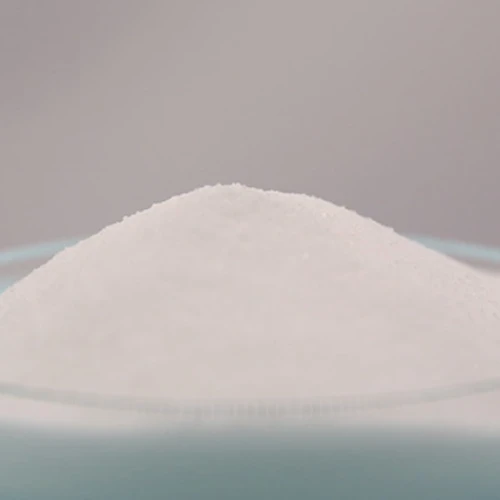
Q: What are common uses for citric acid?
A: Citric acid is used in a number of other fields, in addition to its use in cleaning products, such as personal care, forestry, dairy, pharmaceutical, and electroplating. As a preservative, flavouring agent, and vegetable rinse it helps in the food industry.
Q: Is citric acid good for your body?
A: Consuming foods that contain naturally occurring citric acid (from, say, lemon or lime juice) have advantages because it acts as an antioxidant, meaning that it protects the body from damaging free radicals. Eating huge quantities of antioxidants aids with everything from heart protection to cancer prevention.
Q: What are the side effects of citric acid?
A: Serious side effects of citric acid and sodium citrate include muscle twitching or cramping, swelling or weight gain, fatigue, mood changes, swift and fast breathing, rapid heart rate, anxious feeling, black or bloody stools, extreme diarrhoea or seizure (convulsions).
Q: Is citric acid a disinfectant?
A: Yes, citric acid is a disinfectant. It is great for general disinfection and cleaning because citric acid kills bacteria, mould and mildew.
Q: Is ascorbic acid the same as citric acid?
A: Citric acid and ascorbic acid are two types of acid used for two different purposes of food preservation. Although both are acids, they are not identical. Citric acid has a greater acidity than ascorbic acid.
Q: Is citric acid the same as vinegar? If different, how are the two different?
A: Although vinegar also has an acidic taste, they are not the same thing. Citric acid is slightly more acidic than most vinegars, although this depends on the vinegar. Vinegar has a pH of about 2.4 to above 3. Citric acid powder is used in dry foods as a dry substitute for lemon juice or vinegar. For example, it is used in seasonings, salts, seasoning powders and crunchy snacks because it does not add liquid or moisture.
Q: Is citric acid as good for cleaning as vinegar? Does citric acid kill bacteria?
A: Just like vinegar and lemon juice, citric acid can help clean surfaces and appliances around your home. For example, you can use it to clean your automatic drip coffee maker or create an anti-spray. Weak acids like vinegar and lemon juice can be used to clean, dissolve limescale, and clean dirty/greasy surfaces. Bacteria cannot grow in an acidic environment, which is why acidic ingredients are used in detergents.
Q: Can lemon juice be used instead of citric acid in a recipe?
A: Citric acid and fresh lemon juice can be used in many of the same ways, such as when you can can fruits or vegetables to make jams, jellies, sauces, or preserves. Use about 1/8 cup lemon juice for every 1/2 teaspoon citric acid. Citric acid and lemon juice are both used to lower the pH so the ingredients are safe to store.
Q: What is citric acid used for?
A: Citric acid is used in insecticides and disinfectants to help destroy bacteria and viruses. It is used to preserve and marinate meats, and flavor foods and beverages. For example, citric acid is used in wine to reduce low acidity and improve taste. Citric acid is also used in cosmetic and personal care products as a preservative, and in cleaning products to remove hard water build up.
Q: Does citric acid come from black mold?
A: Approximately 99 percent of the world’s production of manufactured citric acid is developed from the Aspergillus niger fungus, also known as black mold. Black mold efficiently converts sugars into citric acid and its fermentation also is generally recognized as safe by FDA under its Federal Food, Drug, and Cosmetic Act.
Q: Is citric acid bad for your teeth?
A: Excessive amounts of citric acid may cause tooth enamel to dissolve overtime. The Academy of General Dentistry states that foods containing concentrations of the organic acid should be consumed in moderation. Rinsing the mouth after eating or drinking food and beverages that contain citric acid is also recommended. Using a straw when drinking beverages that contain citric acid is another option.
Q: What is citric acid monohydrate used for?
A: Citrate or citric acid is often used to regulate pH, add a sour taste to foods and beverages, form salt derivatives of minerals and metals for medicines and as a dietary supplement.
Q: Is citric acid the same as citric acid monohydrate?
A: There is no significant difference between citric acid monohydrate and anhydrous citric acid, except that aqueous contains a dissolved water crystal (crystalline water is no different from ordinary water).
Q: Is citric acid monohydrate oral?
A: Because hydrated citric acid is one of the strongest edible acids, it is often used as a flavoring and preservative in foods and beverages, especially beverages and candies. In recipes, it is used as a substitute for vinegar or lemon juice where pure acid is needed.
Q: Can I eat powdered citric acid monohydrate?
A: Citric acid is usually good for you, but too much powder can be bad. Citric acid is safe to eat, however, consuming large amounts of it is associated with enamel erosion.
Q: What is the difference between citric acid and anhydrous citric acid?
A: Citric acid is available in both anhydrous and monohydrate forms. The difference between anhydrous and monohydrate citric acid is that anhydrous citric acid lacks crystallization water, while citric acid monohydrate has a water molecule associated with a citric acid molecule.
Q: How does citric acid preserve food?
A: To put it simply, citric acid serves the food and beverage industry as a preservative. The naturally occurring acid found in fruit such as lemons and limes functions as a preservative in its organic state. Its high acidity makes it difficult for mold, bacteria, or any negatively impacting substance to survive.
Q: Is citric acid safe to clean with?
A: Citric Acid is a mild organic acid. As a cleaner, it is very effective and appropriate to use for light descaling, removal of hard water stains, mineral deposits, etc. Some areas where a Citric Acid solution may be useful are: bathrooms, toilets, toilet tanks, kitchens, coffee machines, kettles, dehumidifiers, etc.
Q: Does citric acid degrade over time?
A: Typically, an unopened package of citric acid can last indefinitely, providing it's stored in a cool, dry place away from sunlight. If the package has been opened, it can still retain its potency for up to five years without any apparent difference in effectiveness.
Q: Is citric acid a preservative or additive?
A: Citric acid is commonly used as a food additive for natural flavoring and as a preservative. It is also used in cosmetics, for medical purposes, as an antioxidant and in cleaning products.