


Use Of Calcium Propionate in Bread
CAS Number:13462-86-7
EINECS:236-664-5
Chemical formula:BaSO4
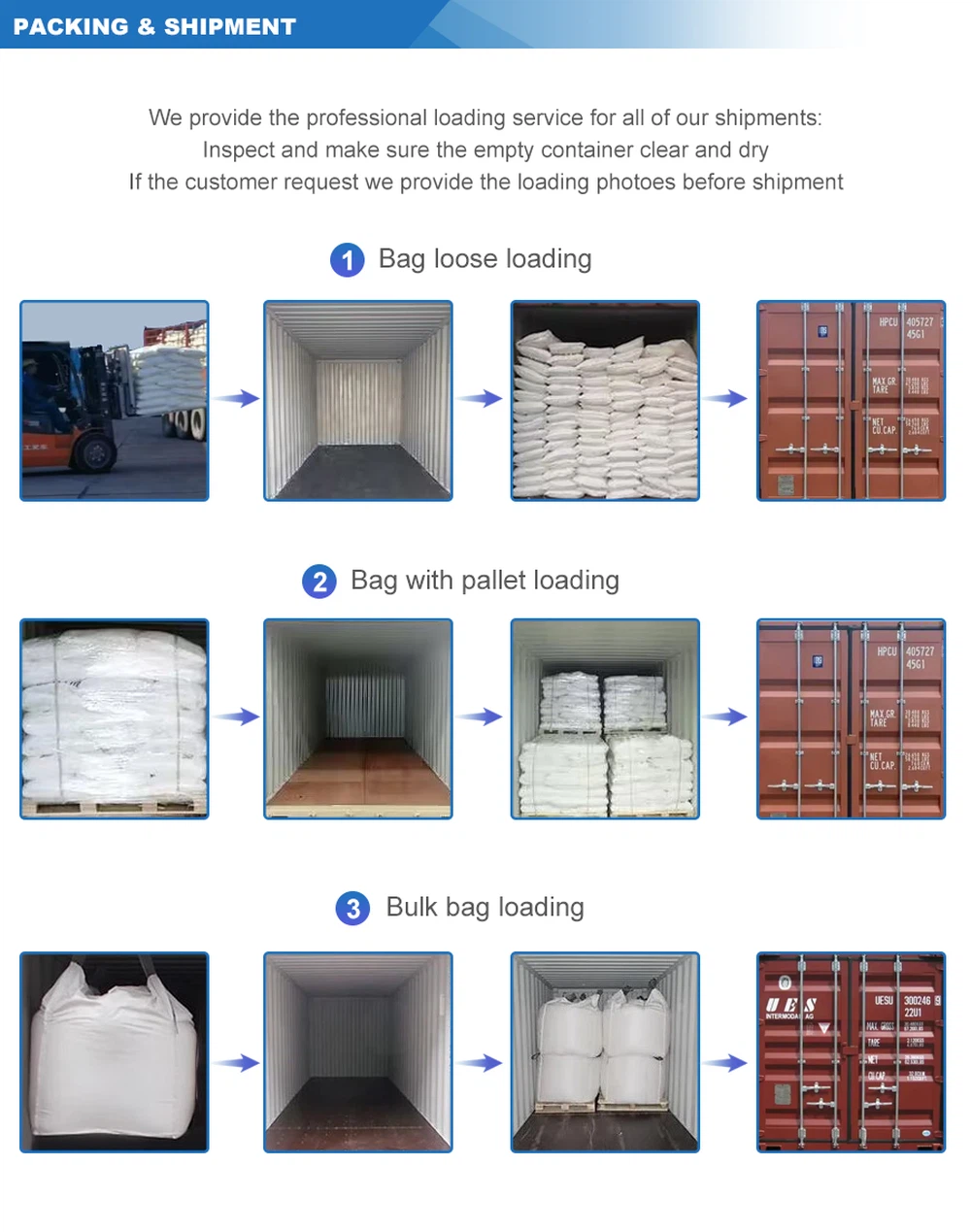
PACKING:25KG/BAG
Molecular weight:233.3896
Xiamen Ditai Chemicals Co., Ltd. is one of the most reliable manufacturers and suppliers of use of calcium propionate in bread in China. Welcome to buy high quality chemical products at competitive price from our factory.
BARIUM SULPHATE
It is my understanding that calcium propionate is the calcium salt of propionic acid. It is usually seen as white crystals, granules, or powder and has no smell or a slight special smell. It is thought that its solubility in water and the weakly alkaline nature of its aqueous solution enable it to be evenly dispersed in dough without affecting yeast fermentation.
It is thought that, as an acidic food preservative, calcium propionate can be converted into free propionic acid, which has antimicrobial activity, in the slightly acidic environment of bread. It has been suggested that this could effectively inhibit the growth of molds, aerobic spore-forming bacteria (especially those causing the "ropy" spoilage of bread), and certain Gram-negative bacteria. It is worth noting that it does not appear to have a significant impact on yeast activity, which is encouraging for those who prefer a natural approach to baking.
| Item | Result |
| PH (1:10 aqueous solution) | 8.5 |
| Content(on dry basis), % | 99.3% |
| Propionic acid, % ≥ | 78% |
| Water insoluble, % ≤ | 0.10% |
| Loss On Drying, % ≤ | 3.85% |
| Fluoride (as F), ppm ≤ | 30 |
| Lead (pb), ppm ≤ | 2 |
Adding calcium propionate to bread – between 0.1% and 0.3%, depending on the flour used – will extend its shelf life by between two and four days. The effect is more significant in certain formulations and processes. This is of great economic value for maintaining product quality in the supply chain and reducing food waste.
The safety of calcium propionate has been recognised by the World Health Organization (WHO) and the Food and Agriculture Organization of the United Nations (FAO). It is approved as a safe and reliable food and feed mold inhibitor. Its metabolic products in the human body are propionic acid and calcium ions. Propionic acid is a key player in normal human metabolism, facilitating the absorption and utilisation of calcium ions. The oral LD₅₀ for rats is 3.34 g/kg, and there is no need for a special ADI (Acceptable Daily Intake) specification since it is safe for humans at standard usage levels.







Thanks for your visit and welcome your kind inquiry!
Hot Tags: use of calcium propionate in bread, China use of calcium propionate in bread manufacturers, suppliers, factory
You Might Also Like


Send Inquiry