

Using glycine in plant care allows for enhanced growth, increased resilience, and better overall plant health. Plants exposed to glycine exhibit faster growth rates, increased chlorophyll production, and better overall biomass accumulation. As a natural amino acid, glycine supports the plant's metabolic needs without the harsh chemicals that might otherwise disrupt soil balance. This leads to healthier, stronger crops, and ultimately, higher yields.


Glycine in Plants
Trade Name:Aminoacetic acid
Molecular formula:C2H5NO2
Molecular weight:75.07
CAS Number:56-40-6
Physical state: white powdery crystal
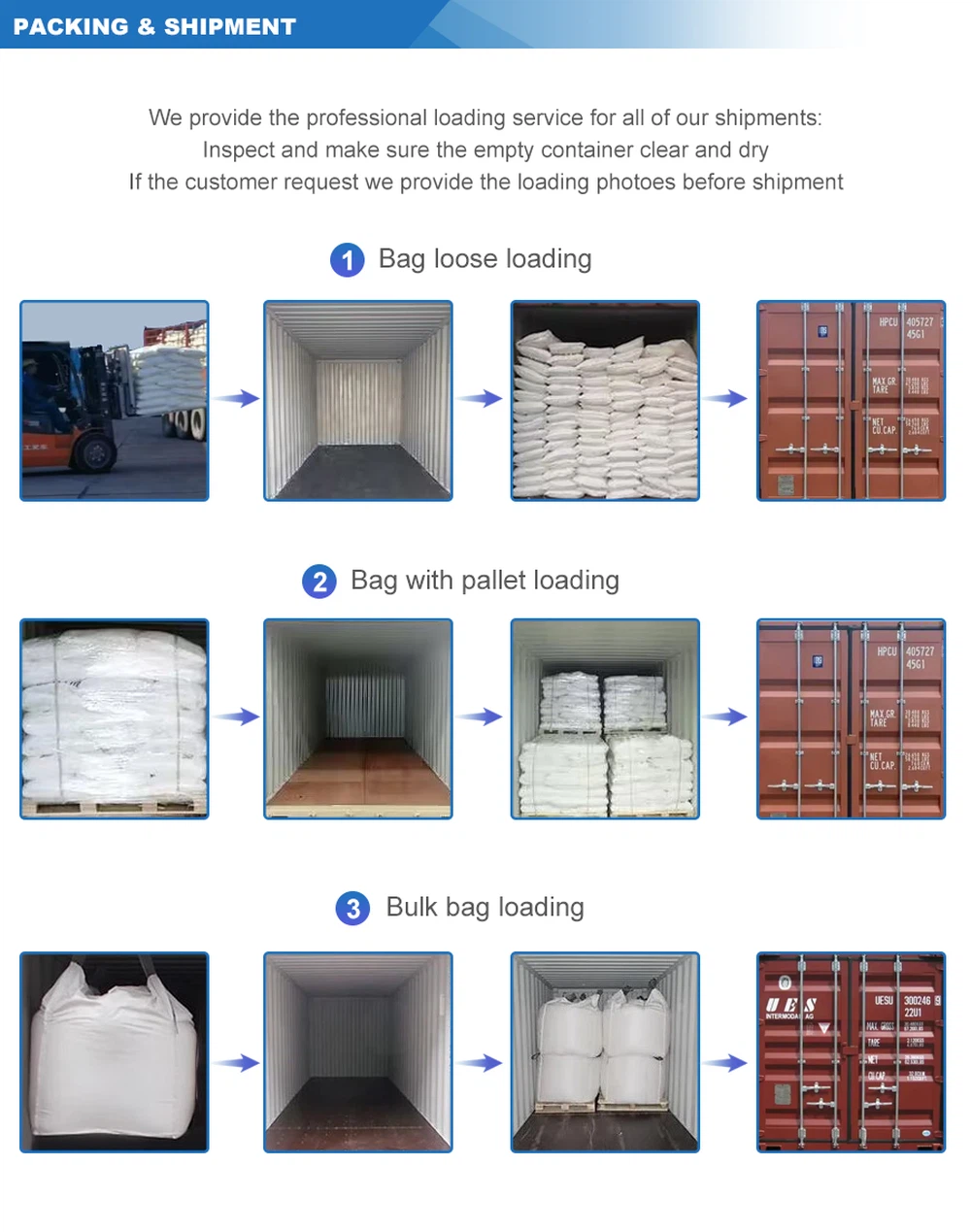
PACKING:25KG/BAG
Molecular formula:C2H5NO2
Molecular weight:75.07
CAS Number:56-40-6
Physical state: white powdery crystal
PACKING:25KG/BAG
Send Inquiry
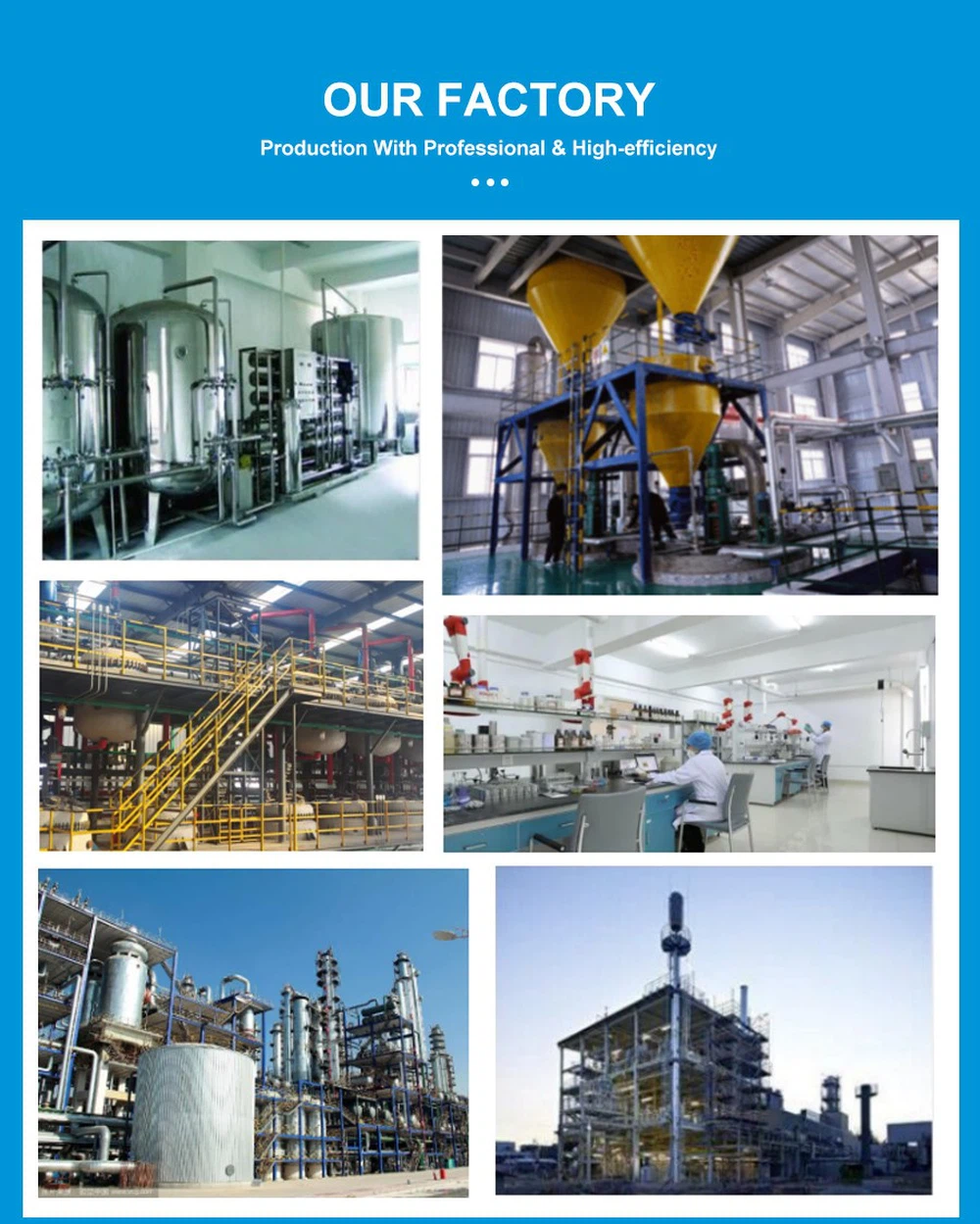
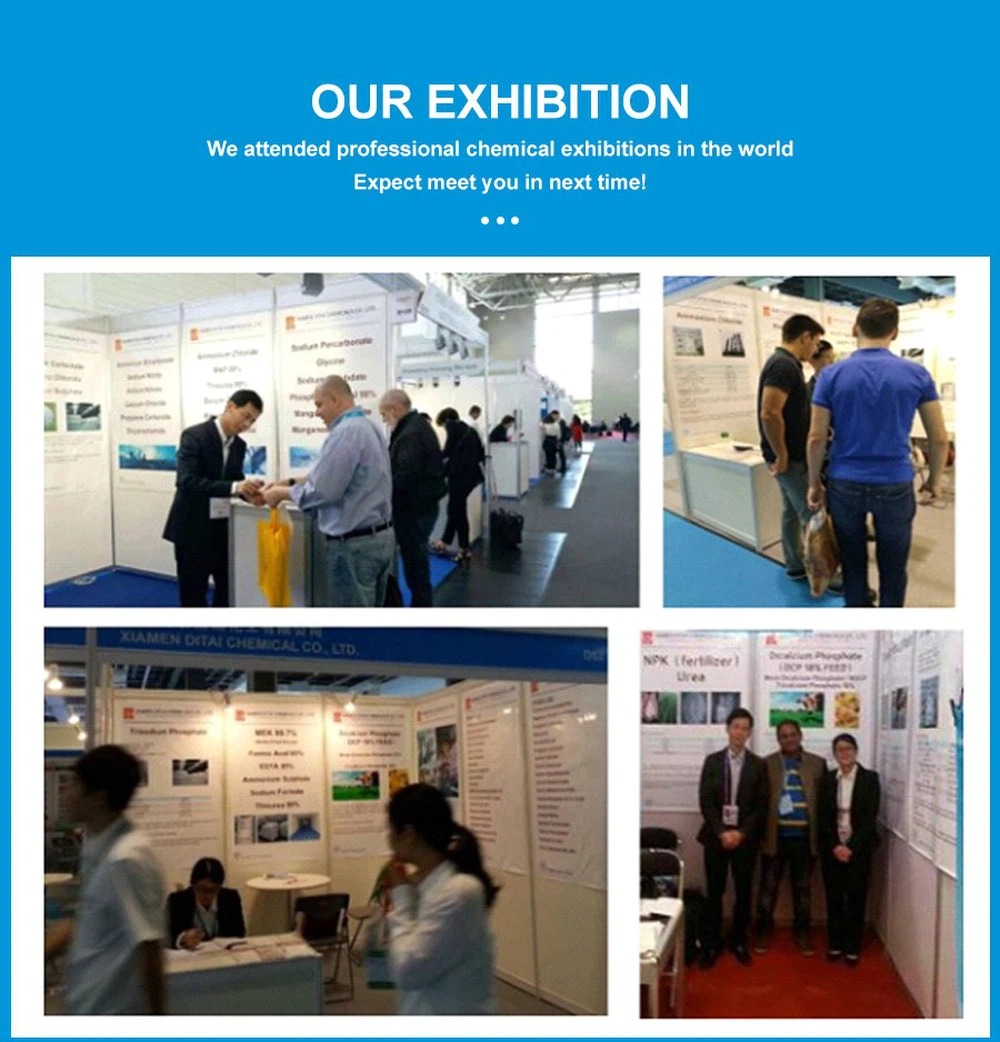
Xiamen Ditai Chemicals Co., Ltd. is one of the most reliable manufacturers and suppliers of glycine in plants in China. Welcome to buy high quality chemical products at competitive price from our factory.
Products Description
Glycine, a simple amino acid, plays a crucial role in plant metabolism and growth. It is involved in various biochemical processes including protein synthesis, the regulation of plant hormones, and the detoxification of harmful substances. In plants, glycine is particularly important for maintaining optimal growth conditions and ensuring efficient photosynthesis. The Glycine is sourced from high-quality raw materials and is available in several concentrations for a wide range of agricultural applications.
Products Description
| Parameter | Specification |
|---|---|
| Chemical Name | Glycine |
| Formula | C2H5NO2 |
| CAS Number | 56‑40‑6 |
| Appearance | White crystalline powder |
| Purity (ZnCl₂) | ≥99% |
| Moisture Content | ≤0.3% |
| Iron(Fe) | ≤0.0005% |
| Sulfate (SO₄²⁻) | ≤0.001% |
| Packaging | 25 kg, 250g, 500g, 1kg |
Our Glycine in Plants is guaranteed to have a purity of ≥99%, ensuring it is free from contaminants that could interfere with plant processes. High purity glycine plays a crucial role in agricultural applications, where even trace amounts of impurities can affect the plant's uptake of nutrients and its overall growth. By using high-purity glycine, you can be confident that the product will provide consistent, reliable results, whether it's used as a soil amendment or foliar spray. The high purity ensures that the plants receive the full benefits of glycine without the risk of unwanted side effects from contaminants.
What is the role of glycine in plant growth?
Glycine is an essential amino acid that plays a vital role in supporting plant growth. It enhances nutrient uptake, allowing plants to efficiently absorb essential minerals from the soil. Additionally, glycine improves plants' stress tolerance, enabling them to withstand harsh environmental conditions such as drought, extreme temperatures, or soil salinity. By promoting efficient photosynthesis, glycine helps plants convert sunlight into energy more effectively, supporting overall growth and development. This makes glycine a crucial component for plants, particularly during critical growth stages, where nutrient absorption and stress resistance are key to achieving healthy, robust plants.
Glycine in Plant Development





FAQ for ZnCl2 Catalyst
Q: What are the main impurities in the product?
A: The product maintains low levels of impurities, including iron (Fe ≤0.0005%), sulfate (SO₄²⁻ ≤0.001%), and acid-insoluble matter ≤0.02%, ensuring consistent performance in sensitive industrial processes.
Q: What is the moisture content of the ZnCl2 Catalyst?
A: The moisture content is controlled at ≤0.3%, which helps maintain stability and ensures reliable dissolution in chemical or metallurgical applications.
Q: What forms of packaging are available?
A: The ZnCl2 Catalyst is supplied in 25 kg bags, suitable for bulk orders and optimized for international shipping and handling.
Q: Is this product classified as a hazardous material for transport?
A: Yes, it is classified as UN 2331, Class 8, and can be safely shipped internationally following hazardous material regulations.
Q: Is this product suitable as a catalyst for organic chemical synthesis?
A: Absolutely. Its high purity and low iron content make it ideal as a Lewis acid catalyst for various organic synthesis reactions.
Hot Tags: glycine in plants, China glycine in plants manufacturers, suppliers, factory, Polyphosphoric Acid, Supply High Qualiry Ammonium Thiocyanate CAS 1762 95 4, Triacetine, Xylooligosaccharide 35
Previous:Glycine Sweet
You Might Also Like

Supply High Quality Trimethylolpropane CAS: 77-99-6

Supply High Quality Butyryl Chloride Cas:141-75-3

Supply High Quality 1-Chloro-2-methylpropane CAS:513...

Supply High Quality Sodium TungstateCAS:13472-45-2

Supply High Quantity Sodium Acid Pyrophosphate CAS: ...

High Quality Benzenesulfonic Acid CAS-98-11-3
Send Inquiry